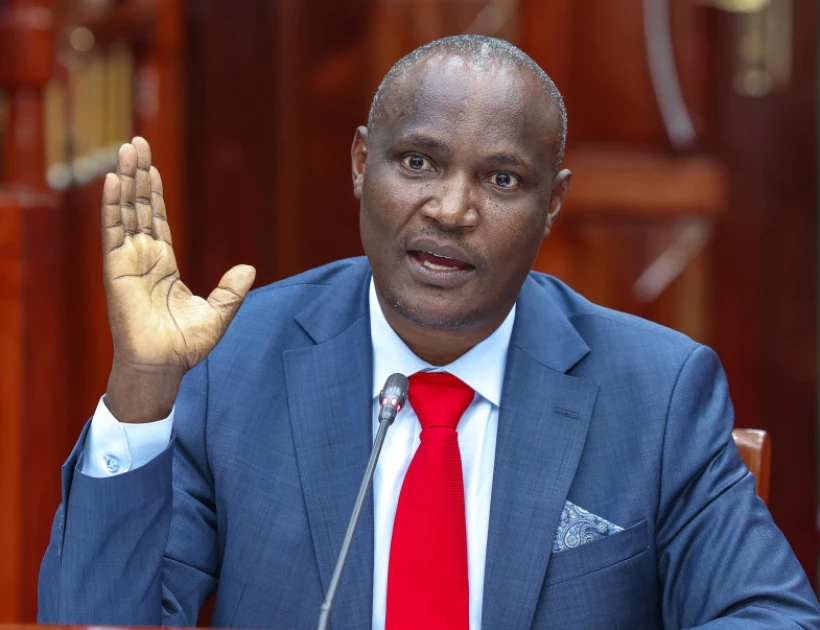
The National Treasury, led by CS John Mbadi, announced significant reductions in capitation funding for Kenyan schools. The move is tied to budget adjustments ahead of the 2025/26 financial year, prompting widespread concern among education stakeholders.
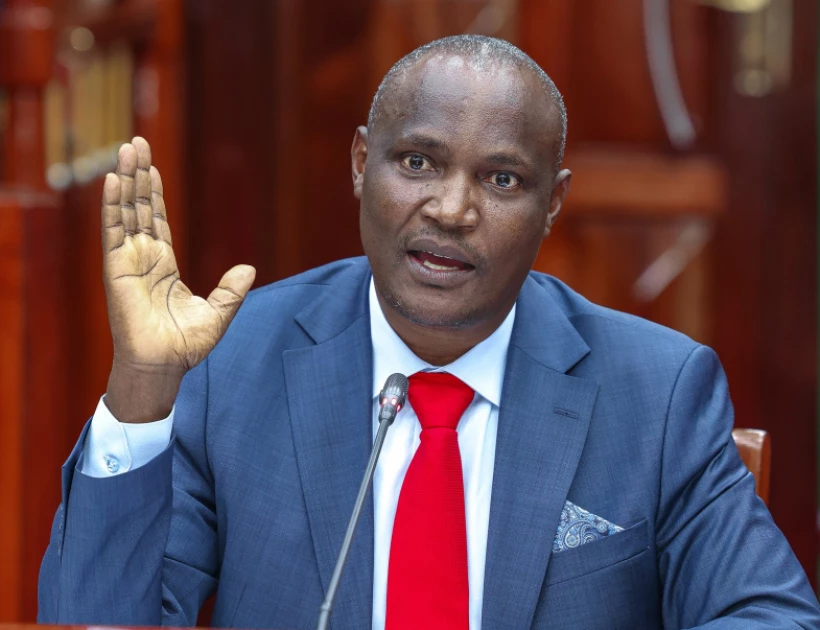
Under the Free Day Secondary Education (FDSE) program, per-student capitation was reduced from an estimated KSh 22,244 to approximately KSh 15,000 annually—representing a cut of about KSh 5,000. Funding for junior secondary schools (JSS) and primary schools also suffered proportionate reductions.
Lawmakers reallocated KSh 5.9 billion from the capitation budget to fund national examination administration. That included KSh 3 billion from secondary schools, KSh 2 billion from JSS, and KSh 900 million from primary schools.
Education officials are sounding the alarm. Schools are now struggling to afford learning materials, pay non-teaching staff, and support co-curricular activities. Some institutions have resorted to asking parents to bridge the shortfall with additional fees.
CS Mbadi reiterated that Kenya’s national budget operates on a cash-based system. Funds not disbursed within a financial year expire and cannot be carried over. This means KSh 64 billion in unpaid capitation from prior years will not be settled.
In response, MPs have proposed allowing schools to levy extra fees temporarily. The suggestion has sparked debate over fairness and potential exploitation of underprivileged families.
This funding shift highlights growing tension between fiscal constraints and the need for educational equity across Kenya.