

Inside Kenya’s Parliament: A Game Beyond the Public Eye
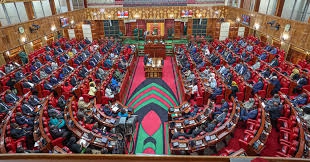
On the surface, Kenya’s Parliament appears structured and united. However, beneath that polished exterior lies a silent war. Power struggles, secret deals, and silent betrayals shape the core of Kenya’s parliamentary politics far from what the public ever sees.
Rival Political Camps Within the House
Kenya’s Parliament is not simply divided along party lines. It’s segmented into hidden camps driven by ambition, regional loyalty, and personal interest. These unofficial factions compete for influence, often undermining party positions. Loyalty shifts overnight, depending on which camp seems stronger or closer to power.
Control Over Committees: The Real Battleground
Parliamentary committees decide which bills progress and how national funds are distributed. Behind the scenes, lawmakers aggressively lobby for chair positions in powerful committees such as Budget, Public Accounts, and Justice. These roles offer power, visibility, and access to state institutions.
Business Influence and Quiet Corruption
Influential businessmen and tycoons play a silent role in parliamentary decisions. Through donations, favors, or backroom negotiations, they sponsor motions or influence votes. Tenders, land deals, and project approvals are quietly linked to private interests. MPs aligned with these forces enjoy protection and financial muscle in future campaigns.
Ethnic Politics Still Shapes Strategy
Despite efforts to promote national unity, tribal loyalty still plays a major role in Parliament. Leaders often vote in line with ethnic expectations rather than policy value. Coalitions shift based on regional representation, creating invisible power centers that guide voting blocks and shape the national agenda.
Succession Politics and Leadership Wars
Even within the ruling party, the battle for future leadership is fierce. MPs pledge allegiance to powerful figures who could rise to the presidency. The Speaker’s role, majority leadership, and committee heads are all part of a long-term chess game.
The Role of the Deep State in Parliamentary Power
The so-called “deep state” comprising intelligence agencies, bureaucrats, and political elites often influences parliamentary moves. Some MPs receive direct calls on how to vote. Others are offered state protection or funding in return for loyalty. The real command sometimes comes from powerful figures outside elected office.

Silent Tools: Blackmail, Dossiers, and Threats
Power games aren’t always about votes. Leaked scandals, frozen bank accounts, or exposure of private dealings are used to silence or control MPs. Fear and uncertainty drive many to switch sides, vote against conscience, or betray allies. These tactics are never made public but their effects are deeply felt.
Media as a Weapon in Political Warfare
Kenyan politicians skillfully use media to attack or protect. Carefully timed leaks, press conferences, or “anonymous sources” serve political interests. One side might paint an MP as corrupt. Another will stage a rebellion to appear strong. The media becomes a tool in the fight for dominance.
Conclusion: Understanding the Real Parliament
Kenya’s Parliament is more than just a law-making body. It’s a battlefield of influence, where power changes hands through silence, strategy, and survival. While citizens see televised debates, the real action happens in private corridors, whispered calls, and confidential meetings. To understand Kenya’s future, we must uncover these hidden struggles.

