

On Thursday, Kenya’s Cabinet Secretary Mutahi Kagwe made a major announcement regarding the sugar sector, introducing the 4 Percent Sugar Development Levy Kenya policy to be paid by millers. This new directive has sparked widespread debate across the agricultural and manufacturing sectors, as it directly impacts sugar production, pricing, and sustainability in Kenya. The decision is expected to reshape the dynamics of the industry while ensuring the revival and long-term growth of Kenya’s sugar industry.
The Rationale Behind the 4 Percent Sugar Development Levy Kenya
According to CS Mutahi Kagwe, the introduction of the 4 Percent Sugar Development Levy Kenya is meant to revive the struggling sugar sector. For years, the sugar industry in Kenya has faced challenges such as mismanagement, low production capacity, import competition, and mounting debts. By imposing the levy, the government aims to:
- Generate sustainable revenue for development programs in the sugar sector.
- Support research and innovation in sugar farming and milling.
- Rehabilitate collapsed sugar factories that have been under receivership.
- Boost farmer support initiatives, including seed cane development and subsidized fertilizers.
This levy, Kagwe emphasized, is not intended to burden consumers but to create a sustainable financial framework for industry growth.

Impact on Sugar Millers
Sugar millers will now be required to contribute 4 percent of their gross revenue to the 4 Percent Sugar Development Levy Kenya Fund. For millers, this implies:
- Reduced operational margins in the short term.
- Increased responsibility to align with government-led reforms.
- Opportunity to benefit from reinvestments in research, infrastructure, and farmer support that will ultimately improve raw material supply.
While millers may initially resist the levy, the Cabinet Secretary assured stakeholders that the revenue collected will be ring-fenced to directly benefit the sugar industry, ensuring that the burden translates into long-term gains.
Benefits for Sugarcane Farmers
One of the most significant beneficiaries of the 4 Percent Sugar Development Levy Kenya will be sugarcane farmers. Kagwe outlined several ways in which farmers stand to gain:
- Improved access to high-yield cane varieties through funding research.
- Timely payments from millers once the sector stabilizes.
- Enhanced extension services to train farmers on modern and sustainable cane farming practices.
- Access to subsidized farm inputs such as fertilizers and pesticides, funded by levy collections.
This, he noted, will not only increase sugarcane yields but also improve farmer livelihoods and stabilize the sugar supply chain.
Revival of Collapsed Sugar Factories
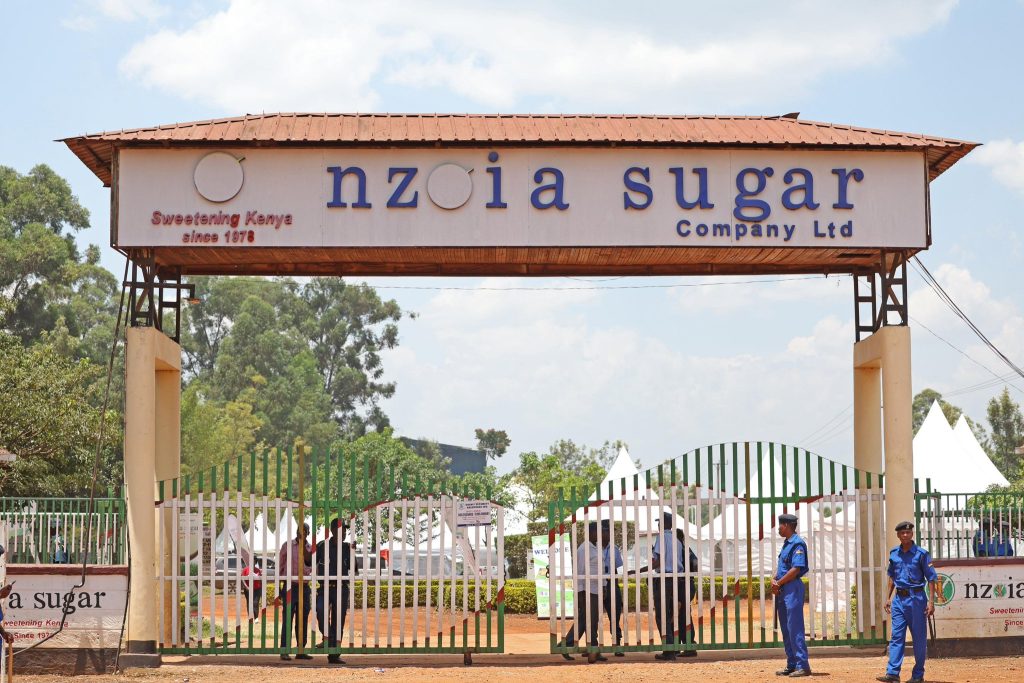
Kenya has witnessed the collapse of several sugar companies, including Mumias Sugar, Miwani, Muhoroni, and Chemelil. The 4 Percent Sugar Development Levy Kenya is expected to finance the revival of these factories, creating jobs and reviving local economies.
The government plans to:
- Channel levy proceeds into factory modernization programs.
- Pay off debts and restructure management systems to eliminate corruption and inefficiency.
- Reopen closed plants and ensure they operate competitively in both local and regional markets.
By reviving factories, the country can reduce dependence on sugar imports, which has drained foreign exchange reserves for years.
Consumer Concerns and Price Stability
While there are fears that the 4 Percent Sugar Development Levy Kenya might increase sugar prices, Mutahi Kagwe clarified that consumers will be shielded. The government intends to ensure that millers do not pass on the entire cost of the levy to consumers. Instead, improved efficiency, higher cane yields, and stronger supply chains will stabilize prices in the medium and long term.
Additionally, by reducing reliance on imports, Kenya can achieve domestic price stability, protect local farmers, and strengthen national food security.
Strategic Role in National Economic Growth
The sugar industry is a vital pillar of Kenya’s economy, supporting over 250,000 farmers directly and millions more indirectly through supply chains, factory employment, and service industries. The introduction of the 4 Percent Sugar Development Levy Kenya is therefore more than just a revenue collection measure—it is an investment in economic resilience.
Key expected outcomes include:
- Job creation through the revival of sugar factories.
- Increased farmer income leading to rural economic growth.
- Export potential by making Kenyan sugar competitive in the East African region.
- Boosted GDP contribution from agriculture and manufacturing sectors.
Government Assurance of Transparency
A major concern with past levies has been corruption and misuse of funds. To address this, CS Mutahi Kagwe assured Kenyans that the 4 Percent Sugar Development Levy Kenya will be managed transparently. The government will establish strict monitoring systems to track revenue collection, allocation, and spending.
Funds will be managed by the Sugar Development Fund, with representation from:
- Farmers’ associations
- Millers
- Government agencies
- Independent auditors
This ensures that all stakeholders have a voice and that the levy directly benefits the intended projects.
Regional and Global Context
Kenya is part of the Common Market for Eastern and Southern Africa (COMESA) trade bloc, where sugar trade policies often create competitive pressure on local producers. By strengthening the local industry through the 4 Percent Sugar Development Levy Kenya, the country can:
- Protect its local sugar farmers from cheap imports.
- Position itself as a competitive exporter in the regional market.
- Attract investment in modern sugar processing technology.
Globally, sugar industries thrive where governments create a sustainable support framework. Kenya’s move aligns with international best practices where development levies fund agricultural innovation.
Looking Ahead: A Path to Sustainability
The introduction of the 4 Percent Sugar Development Levy Kenya is not just about addressing current challenges but about laying a strong foundation for the future of Kenya’s sugar industry. Mutahi Kagwe’s remarks highlight the government’s commitment to:
- Farmer empowerment.
- Industry modernization.
- Economic self-sufficiency.
- Food security for Kenyans.
With proper implementation and transparent management, this levy has the potential to transform Kenya’s sugar sector into a profitable, competitive, and sustainable industry.
Conclusion
The decision by CS Mutahi Kagwe to have millers pay the 4 Percent Sugar Development Levy Kenya marks a turning point in Kenya’s sugar industry. While it may face initial resistance from millers and skepticism from consumers, the long-term benefits for farmers, factories, and the national economy cannot be overlooked. This bold move could finally deliver the long-awaited revival of the sugar sector and secure Kenya’s position as a sustainable sugar producer in the region.

