

Voting is the foundation of democracy, and in Kenya, it represents the power of citizens to shape leadership and national direction. In this comprehensive guide, we walk through how to vote in Kenya step by step, ensuring that every voter—from first-time participants to seasoned citizens—can confidently take part in the electoral process.
Understanding Voting in Kenya
In Kenya, voting is conducted under the supervision of the Independent Electoral and Boundaries Commission (IEBC). Elections are held periodically to elect leaders including the President, Members of Parliament, Governors, Senators, and Members of County Assemblies.
We emphasize that every registered voter has the constitutional right to vote, provided they meet eligibility requirements and follow the correct process.
Who Is Eligible to Vote in Kenya?
Before we proceed to the actual voting process, we must ensure eligibility. To vote in Kenya, one must:
- Be a Kenyan citizen
- Be at least 18 years old
- Possess a valid Kenyan National ID or passport
- Be registered as a voter by IEBC
Without voter registration, participation in elections is not possible.
How to Register as a Voter in Kenya
To vote, we must first register. The process is simple but essential:
Step 1: Visit an IEBC Registration Center
We visit designated IEBC registration centers, often located in public institutions such as schools or government offices.
Step 2: Present Identification Documents
We provide a valid ID or passport to confirm identity and citizenship.
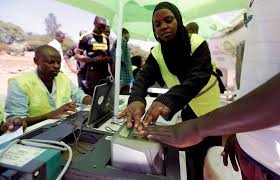
Step 3: Biometric Data Capture
The IEBC collects biometric details, including fingerprints and a passport-sized photo.
Step 4: Confirmation and Voter Slip
Once registration is complete, we receive a voter acknowledgment slip confirming our registration details.
How to Verify Your Voter Registration Details
Before election day, we must confirm our registration status:
- Use the IEBC SMS service
- Check through the IEBC online portal
- Visit IEBC offices in person
This step ensures we know our polling station and voting center, which is crucial on election day.
What to Carry on Voting Day
Preparation is key. On election day, we must carry:
- Original National ID or passport
- Knowledge of our polling station location
We do not need the voter slip, but it can help speed up identification.
Step-by-Step Voting Process in Kenya
Voting in Kenya follows a structured and transparent process. Here is exactly how to vote:
Step 1: Arrive Early at the Polling Station
Polling stations typically open at 6:00 AM and close at 5:00 PM. We recommend arriving early to avoid long queues.
Step 2: Queue in the Correct Line
At the polling station, we join the queue corresponding to our assigned polling station stream.
Step 3: Identification and Verification
Election officials verify our identity using:
- Biometric voter identification device (KIEMS kit)
- Manual register if necessary
Once verified, our name is marked in the register.
Step 4: Finger Marking
Our finger is marked with indelible ink to prevent multiple voting.
Step 5: Receiving Ballot Papers
We are issued multiple ballot papers, each representing different elective positions:
- President
- Member of Parliament
- Senator
- Governor
- Woman Representative
- MCA (Member of County Assembly)
Each ballot paper is color-coded for easy identification.
How to Mark Your Ballot Correctly
Inside the voting booth, we must follow strict guidelines:
- Use the official stamp provided
- Mark only one candidate per ballot paper
- Place the mark clearly inside the box next to the candidate’s name
Avoid making multiple marks, as this may invalidate the vote.
Step 6: Casting Your Vote
After marking each ballot:
- Fold the ballot paper as instructed
- Place it in the correct ballot box (color-coded)
Ensure each ballot goes into the right box to avoid spoiling your vote.
Step 7: Exit the Polling Station
After voting:
- Leave the polling station immediately
- Avoid campaigning or influencing others within the voting area
This maintains order and fairness in the electoral process.
Important Voting Rules to Follow
To ensure a smooth process, we must observe these rules:
- Do not carry campaign materials into the polling station
- Maintain peace and discipline
- Follow instructions from election officials
- Do not take photos inside the voting booth
Failure to follow these rules may lead to disqualification or legal consequences.
Common Mistakes to Avoid When Voting in Kenya
Many votes are invalidated due to avoidable errors. We must avoid:
- Marking more than one candidate
- Using a pen instead of the official stamp
- Leaving marks outside the designated box
- Placing ballots in the wrong box
Being careful ensures that our vote counts.
Special Voting Cases in Kenya
Assisted Voting
Voters who cannot read or have disabilities may request assistance. An election official or trusted person helps them vote while maintaining confidentiality.
Priority Voting
Elderly individuals, pregnant women, and persons with disabilities receive priority in queues.
What Happens After Voting
Once voting ends:
- Ballot boxes are sealed
- Votes are counted at the polling station
- Results are announced publicly at that station
This ensures transparency and accountability.
Why Voting Matters in Kenya
Voting is not just a civic duty—it is a powerful tool for change. By participating, we:
- Influence leadership and governance
- Promote democracy and accountability
- Shape national and local development
Every vote contributes to the direction of the country.
Final Thoughts on How to Vote in Kenya
Understanding how to vote in Kenya step by step empowers us to participate confidently in elections. From registration to casting the ballot, each stage is designed to ensure fairness, transparency, and accessibility.
We must take responsibility to prepare, follow the process correctly, and encourage others to vote. A well-informed voter is the backbone of a strong democracy.
Conclusion: Be Prepared, Be Informed, and Vote Wisely

