Tensions Escalate Between Deputy and President
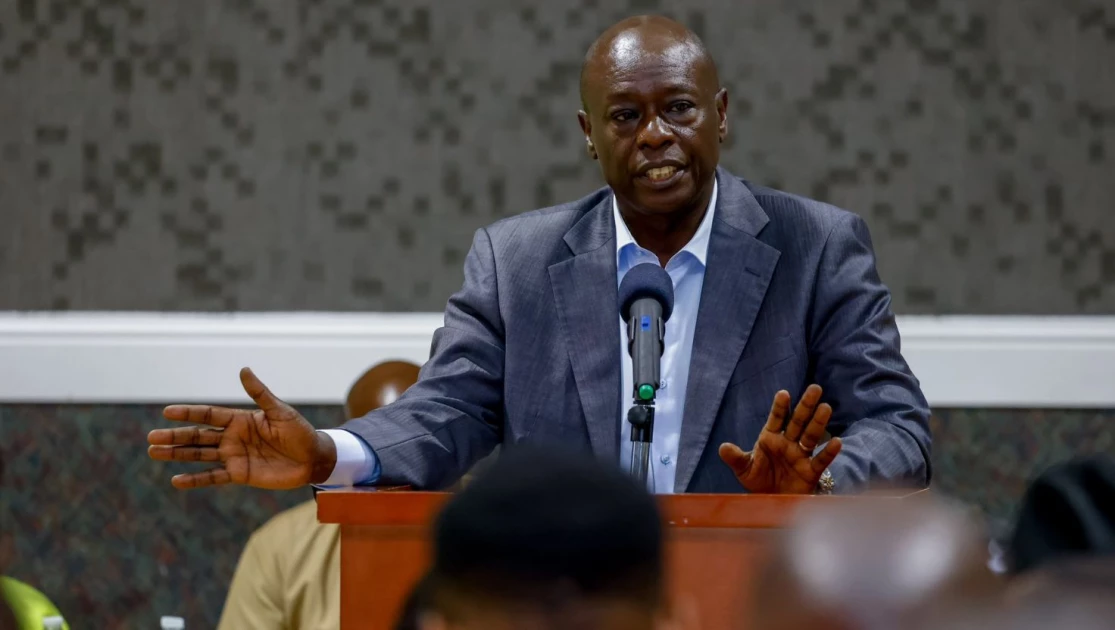
Kenya’s political temperature is rising. Deputy President Rigathi Gachagua has publicly declared that his team is actively collecting evidence to prosecute President William Ruto at the International Criminal Court (ICC). This bombshell has shaken the political landscape, exposing deep cracks within the Kenya Kwanza government.
Why Gachagua is Targeting Ruto
According to Gachagua, the president has allegedly overseen acts that violate human rights. He accuses Ruto of using security agencies to intimidate, harass, and torture political dissenters. Gachagua emphasized that no leader is above the law—not even the head of state.
He claims that Kenyans have suffered under police brutality, especially during peaceful protests. His team is reportedly compiling videos, witness statements, and hospital records to build a solid case for international prosecution.
Evidence Gathering Underway
Gachagua revealed that his legal team has been quietly gathering data from across the country. Human rights lawyers, whistleblowers, and medical professionals are among those aiding the effort. He insisted that the case isn’t political—it’s about justice and accountability.
The deputy president also hinted that international human rights watchdogs have taken interest. He assured the public that when the case is filed at The Hague, it will include verified, irrefutable documentation.
Ruto’s Camp Responds Swiftly
President Ruto’s allies were quick to condemn Gachagua’s statement. Several Members of Parliament have accused the deputy president of betrayal and incitement. Others dismissed the ICC talk as mere propaganda aimed at gaining sympathy.
Government spokespersons stated that all claims of abuse are baseless. They challenged Gachagua to provide credible evidence instead of making inflammatory remarks.
What This Means for Kenya Kwanza
The fallout between Gachagua and Ruto could destroy Kenya Kwanza’s unity. Political analysts say the move signals an early campaign strategy by Gachagua to distance himself from unpopular policies.
He has already begun appealing to Mt. Kenya voters, portraying himself as the region’s defender. If the rift widens, Kenya could witness a full-blown political realignment ahead of the 2027 elections.
Public Reactions and Social Media Buzz
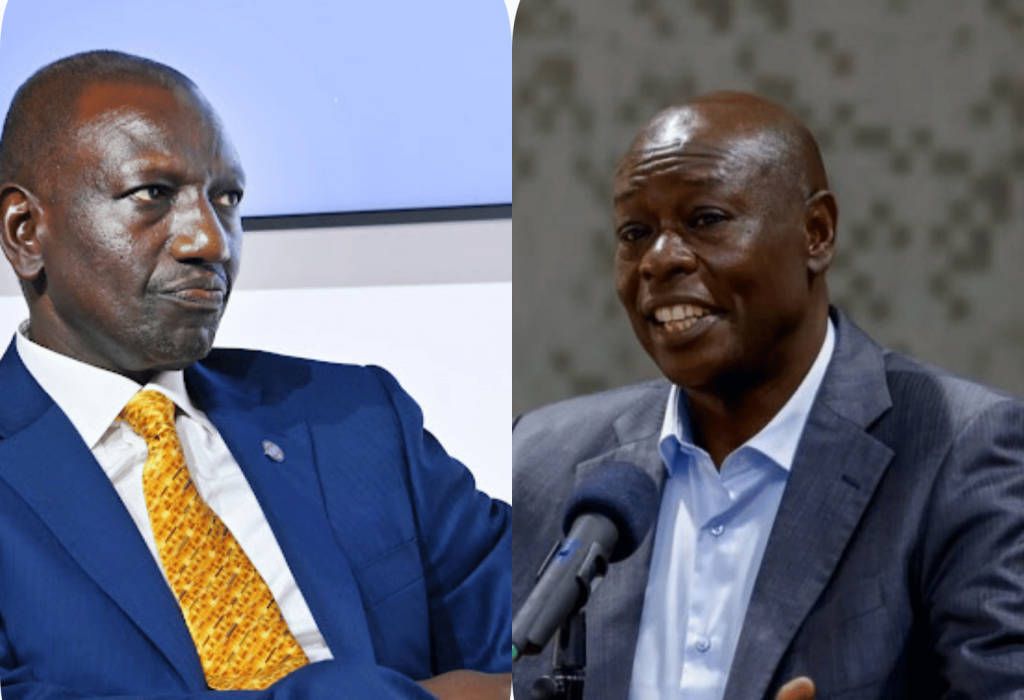
Kenyans on social media are divided. Some support Gachagua, praising him for courage. Others call his actions reckless and accuse him of destabilizing the government from within.
Hashtags like #GachaguaICC and #RutoUnderFire have trended for days. Twitter, Facebook, and TikTok are flooded with heated debates, edited clips, and citizen reactions. Influencers and journalists are closely following the developments.
Legal Experts Weigh In
International law scholars say the process of filing an ICC case is complex. For a sitting president to be tried, overwhelming evidence must be presented. The Rome Statute allows for the prosecution of heads of state, but the legal threshold is high.
Kenya has had previous ICC cases involving top leaders. Most were withdrawn due to lack of cooperation or insufficient evidence. Legal experts advise that this time, the outcome will depend on how well Gachagua’s team documents the alleged crimes.
Political Consequences Could Be Severe
If the case is filed and accepted, it will mark a historic shift. No sitting Kenyan president has ever faced trial while in office. The move could trigger both local and international scrutiny. Investors, foreign governments, and regional blocs may reassess their engagement with Kenya.
Domestically, it could lead to calls for impeachment or constitutional reforms. Already, whispers of possible coalitions and new alliances are growing louder.
Conclusion: Kenya at a Political Crossroads
Rigathi Gachagua’s vow to drag President Ruto to the ICC has opened a new chapter in Kenyan politics. The coming weeks will be critical. Will this be a game-changer or just another political storm?
One thing is clear—Kenya’s leadership is under the microscope, and the stakes have never been higher.