

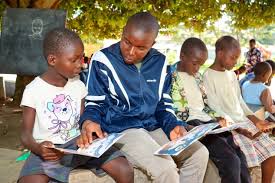
Understanding the CBC Curriculum in Kenya
The Competency-Based Curriculum (CBC) in Kenya represents a transformative shift in the country’s education system. We recognize that this approach is designed to move away from rote memorization and instead focus on developing practical skills, nurturing talents, and building competencies that learners can apply in real-life situations.
CBC emphasizes what learners can do rather than what they can merely recall. This system equips students with critical thinking abilities, creativity, collaboration skills, and communication proficiency, ensuring they are better prepared for the modern world.
Structure of the CBC Education System
We observe that the CBC curriculum is structured into distinct levels, each tailored to support progressive learning and development:
1. Early Years Education (EYE)
This stage includes:
- Pre-Primary 1 and 2 (PP1 & PP2)
- Grades 1 to 3
At this level, the focus is on foundational literacy and numeracy, social skills, and nurturing creativity. Learners engage in interactive and play-based activities that stimulate curiosity and imagination.
2. Middle School Education
This stage covers:
- Grades 4 to 6 (Upper Primary)
- Grades 7 to 9 (Junior Secondary)
Here, learners begin to explore core subjects and pre-technical skills. The curriculum introduces project-based learning, encouraging students to apply knowledge in practical contexts.
3. Senior School Education
This includes:
- Grades 10 to 12
At this level, learners choose pathways based on their interests and strengths:
- Arts and Sports Science
- Social Sciences
- STEM (Science, Technology, Engineering, Mathematics)
We note that this specialization ensures learners pursue careers aligned with their passions and abilities.
Core Competencies in CBC
The CBC framework is built around key competencies that shape holistic development. These include:
- Communication and Collaboration
- Critical Thinking and Problem Solving
- Creativity and Imagination
- Citizenship
- Digital Literacy
- Learning to Learn
- Self-Efficacy
We emphasize that these competencies are integrated across all subjects, ensuring learners develop well-rounded capabilities beyond academics.
Key Learning Areas in CBC
The CBC curriculum introduces diverse learning areas at different stages:
Lower Primary Subjects
- Literacy
- Kiswahili
- English
- Mathematics
- Environmental Activities
- Hygiene and Nutrition
- Movement and Creative Activities
Upper Primary Subjects
- English
- Kiswahili or Kenyan Sign Language
- Mathematics
- Science and Technology
- Social Studies
- Religious Education
- Creative Arts
- Physical and Health Education
Junior Secondary Subjects
- Integrated Science
- Pre-Technical Studies
- Social Studies
- Mathematics
- English
- Kiswahili
- Health Education
- Life Skills Education
We ensure learners receive a balanced education that integrates academic knowledge with practical skills.
Assessment in the CBC System
Assessment under CBC is continuous and comprehensive. Unlike the previous system, which relied heavily on final exams, CBC uses:
- Formative Assessments (Continuous Assessment Tests)
- Summative Assessments (End-of-cycle exams)
- Project-based evaluations
We highlight that learners are assessed on skills acquisition, participation, creativity, and application of knowledge, not just theoretical understanding.
The Kenya National Examinations Council (KNEC) plays a critical role in overseeing these assessments, ensuring consistency and credibility.
Role of Teachers in CBC
Teachers are central to the success of CBC. We recognize their role has evolved from traditional instruction to:
- Facilitators of learning
- Mentors and guides
- Assessors of competencies
Educators are expected to use interactive teaching methods, integrate technology, and create learner-centered environments that encourage exploration and innovation.
Role of Parents in CBC
Parents play a significant role in supporting CBC learning. We emphasize their involvement in:
- Monitoring learner progress
- Supporting homework and projects
- Encouraging talents and skills development
CBC requires a collaborative effort between schools and families, ensuring learners receive support both at school and at home.
Advantages of the CBC Curriculum in Kenya
The CBC system offers numerous benefits that position learners for success:
1. Skills-Oriented Learning
We focus on equipping learners with practical skills that are relevant to the job market and entrepreneurship.
2. Personalized Learning Paths
Learners can pursue areas aligned with their strengths, ensuring greater engagement and motivation.
3. Talent Development
CBC nurtures talents in areas such as sports, arts, and technology, providing diverse career opportunities.
4. Reduced Exam Pressure
Continuous assessment reduces the anxiety associated with high-stakes exams, promoting consistent learning.
5. Preparation for the Future
Learners gain digital literacy, innovation skills, and adaptability, making them competitive globally.
Challenges Facing CBC Implementation
While CBC has significant advantages, we acknowledge several challenges affecting its implementation:
1. Resource Constraints
Some schools face shortages of:
- Learning materials
- Infrastructure
- Technological tools
2. Teacher Training Gaps
Not all educators are fully equipped with the skills required to implement CBC effectively.
3. Parental Awareness
Many parents are still adjusting to the new system and may lack a clear understanding of how to support their children.
4. Transition Adjustments
The shift from the previous system to CBC has created transitional challenges in curriculum alignment and assessment methods.
How to Succeed in the CBC System
We outline practical strategies for learners, parents, and educators to thrive under CBC:
For Students
- Engage actively in class activities
- Focus on skill development, not just grades
- Participate in co-curricular activities
For Parents
- Stay informed about CBC requirements
- Support project-based learning at home
- Communicate regularly with teachers
For Teachers
- Embrace continuous professional development
- Use innovative teaching strategies
- Provide individualized learner support
Future of CBC in Kenya
We see the CBC curriculum shaping a future where education is aligned with economic needs, technological advancements, and global trends. The system is designed to produce graduates who are:
- Innovative thinkers
- Skilled professionals
- Responsible citizens
As implementation improves, CBC is expected to strengthen Kenya’s position in global education standards and workforce competitiveness.
Conclusion: Why CBC Matters for Kenya’s Education System
The CBC curriculum explained in Kenya reflects a bold step toward redefining education. We emphasize that this system is not just about academic success but about empowering learners with skills, values, and competencies necessary for life.
By focusing on holistic development, practical learning, and personalized education pathways, CBC is building a generation that is prepared to solve real-world problems and drive national development.
We remain confident that with continued collaboration among students, parents, teachers, and policymakers, the CBC system will achieve its full potential and transform the future of education in Kenya.

