The Driving Force Behind Kenya’s Growth

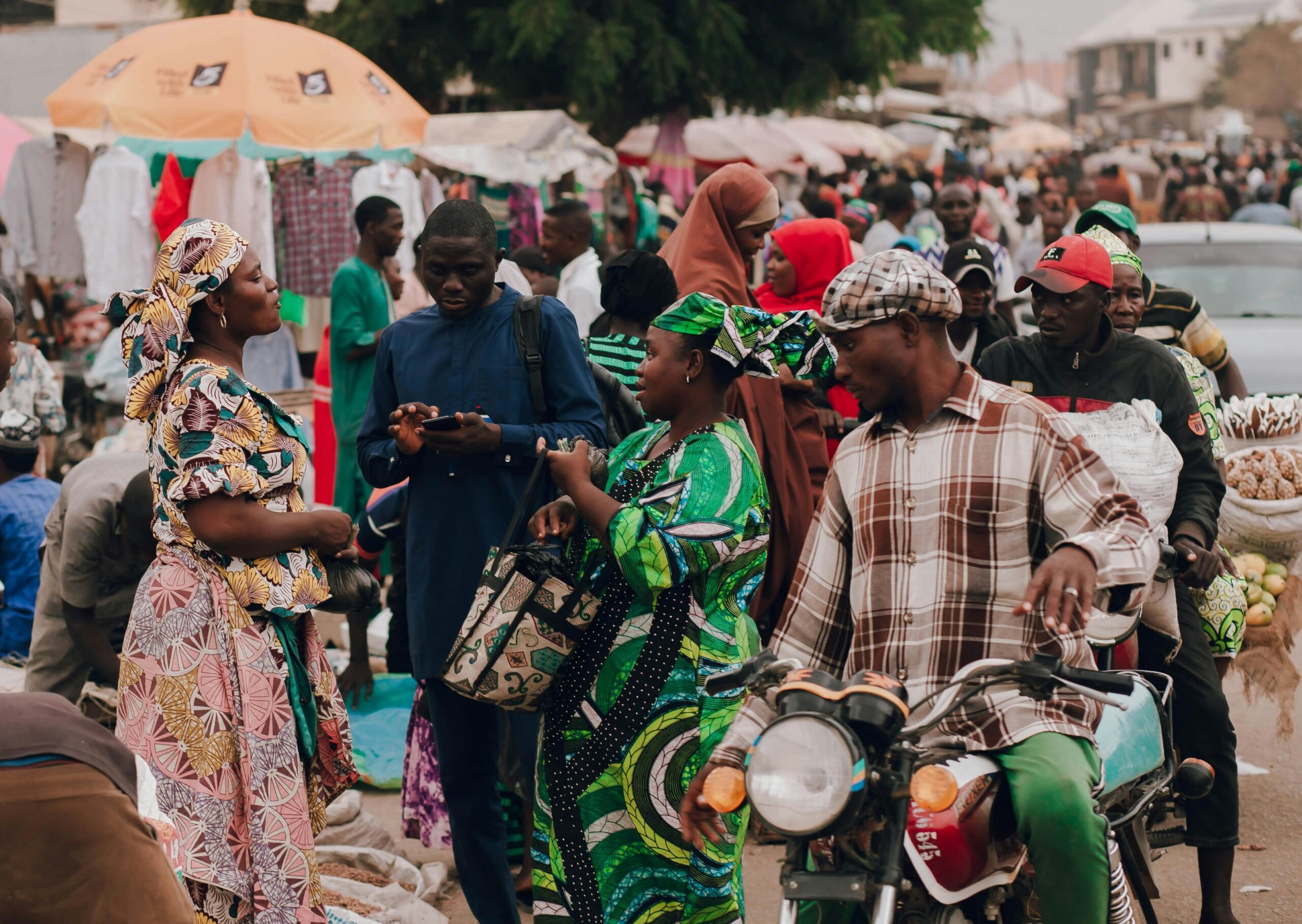
In Kenya’s rapidly evolving economic landscape, Micro, Small, and Medium Enterprises (MSMEs) stand as the most powerful engine of growth, resilience, and innovation. We recognize that these enterprises are not just contributors to the economy—they are its foundation. Across urban centers like Nairobi and rural communities alike, MSMEs fuel job creation, foster entrepreneurship, and sustain livelihoods at every level of society.
By examining the depth and scale of MSMEs in Kenya, we uncover their undeniable role in shaping the nation’s economic trajectory and securing its future prosperity.
The Scale and Significance of MSMEs in Kenya
A Dominant Economic Sector
We observe that MSMEs make up over 90% of all businesses in Kenya, a staggering statistic that highlights their dominance. From small retail shops and informal traders to emerging startups and service providers, MSMEs represent the majority of economic activity.
Their contribution to Kenya’s Gross Domestic Product (GDP) is equally substantial, accounting for approximately 30–40% of the national output. This positions MSMEs as a central pillar in maintaining economic stability and growth.
Employment Creation at an Unmatched Level
One of the most powerful impacts of MSMEs lies in their ability to create jobs. We see that MSMEs employ over 80% of Kenya’s workforce, providing income opportunities for millions of people.
In a country where formal employment opportunities are limited, MSMEs fill a critical gap by:
- Absorbing youth entering the job market
- Supporting informal employment sectors
- Reducing unemployment and poverty levels
MSMEs as Catalysts for Entrepreneurship
Nurturing Innovation and Creativity
We understand that MSMEs are the breeding ground for entrepreneurial talent in Kenya. They provide individuals with the opportunity to transform ideas into viable businesses with relatively low capital requirements.
Entrepreneurs in sectors such as:
- Agriculture
- Retail
- Technology
- Manufacturing
- Hospitality
continue to leverage MSMEs to introduce innovative solutions tailored to local and global markets.
Low Barriers to Entry
MSMEs offer accessible entry points into business ownership. With minimal startup costs compared to large enterprises, individuals can:
- Launch small-scale ventures
- Test business ideas
- Scale operations gradually
This accessibility empowers a broader segment of the population to participate in economic activities, fostering inclusive growth.
Driving Regional and Rural Development
Economic Inclusion Beyond Urban Centers
We note that MSMEs play a vital role in decentralizing economic activity. While large corporations are often concentrated in major cities, MSMEs thrive in rural and semi-urban areas, ensuring economic participation across all regions.
This leads to:
- Balanced regional development
- Reduced rural-urban migration
- Strengthened local economies
Supporting Agricultural Value Chains
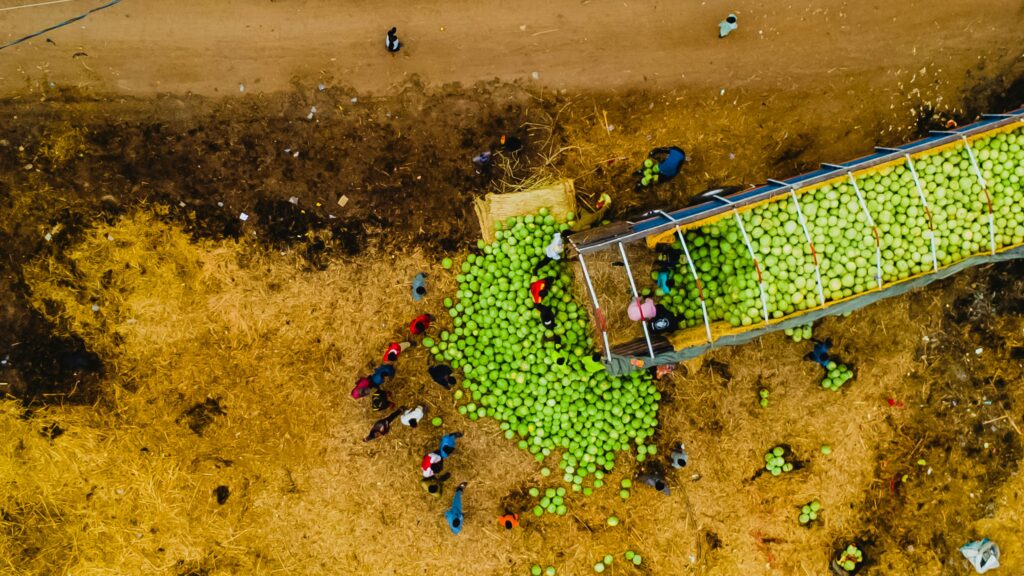
In Kenya, agriculture remains a key sector, and MSMEs are deeply embedded within it. From smallholder farmers to agro-processing businesses, MSMEs:
- Add value to raw agricultural products
- Improve market access for farmers
- Enhance food security
Enhancing Financial Circulation and Local Economies
Strengthening Domestic Trade
We see that MSMEs contribute significantly to local trade and commerce. By serving community needs, they ensure money circulates within local economies rather than being concentrated in large corporations.
This creates a ripple effect where:
- Local suppliers benefit
- Consumers access affordable goods and services
- Communities become economically self-sustaining
Boosting Financial Inclusion
MSMEs also play a role in expanding financial inclusion. Through mobile banking, microfinance, and digital payment systems, small businesses can:
- Access credit facilities
- Manage transactions efficiently
- Build financial records
This integration into formal financial systems strengthens overall economic resilience.
Resilience and Adaptability in Economic Shocks
Flexibility in Changing Markets
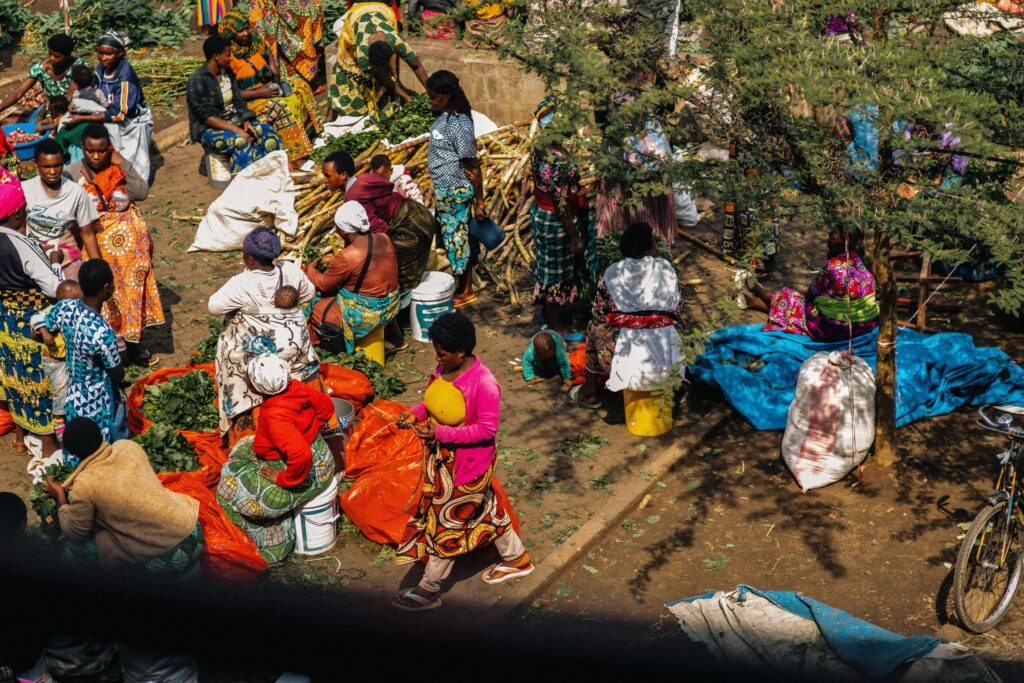
We recognize that MSMEs demonstrate remarkable adaptability during economic disruptions. Unlike large corporations, they can quickly adjust their operations, products, and services to meet changing market demands.
During crises such as:
- Economic downturns
- Global pandemics
- Supply chain disruptions
MSMEs often pivot strategies to survive and even thrive.
Community-Based Support Systems
Their close ties to local communities enable MSMEs to maintain customer loyalty and support networks, which are essential during challenging periods.
Technology Adoption and Digital Transformation
The Rise of Digital MSMEs

We observe a growing trend where MSMEs in Kenya are embracing digital transformation. With increased internet penetration and smartphone usage, businesses are leveraging:
- Social media marketing
- E-commerce platforms
- Digital payment systems
This shift enhances their competitiveness and expands their market reach beyond geographical boundaries.
Empowering Youth-Led Enterprises
Young entrepreneurs are particularly active in adopting technology-driven solutions, positioning MSMEs as a key driver of Kenya’s digital economy.
Challenges Facing MSMEs in Kenya
Limited Access to Financing
Despite their importance, MSMEs face significant barriers in accessing affordable financing. Many struggle with:
- High-interest rates
- Lack of collateral
- Limited credit history
Regulatory and Compliance Burdens
Complex regulatory requirements can hinder business growth. MSMEs often encounter challenges related to:
- Licensing processes
- Tax compliance
- Legal frameworks
Infrastructure Constraints
Inadequate infrastructure, particularly in rural areas, affects:
- Transportation
- Energy supply
- Market accessibility
Addressing these challenges is essential to unlocking the full potential of MSMEs.
Strategies to Strengthen MSMEs in Kenya
Improving Access to Capital
We emphasize the need for:
- Affordable loan products
- Government-backed funding programs
- Investment in microfinance institutions
Enhancing Business Skills and Training
Capacity building through training programs in:
- Financial management
- Marketing
- Digital skills
can significantly improve MSME performance.
Simplifying Regulatory Frameworks
Streamlining business registration and compliance processes will encourage more entrepreneurs to formalize and grow their enterprises.
The Future of MSMEs in Kenya
A Pathway to Sustainable Growth
We believe MSMEs will continue to shape Kenya’s economic future by driving:
- Innovation
- Employment
- Inclusive development
With the right support systems, MSMEs can transition from small-scale operations to globally competitive enterprises.
Integration into Global Markets
Through digital platforms and improved infrastructure, Kenyan MSMEs have the potential to access international markets, increasing exports and enhancing economic growth.
The Foundation of Economic Prosperity
We affirm that MSMEs are not just a sector—they are the backbone of Kenya’s economy. Their contributions to employment, innovation, and community development make them indispensable.
By investing in MSMEs, supporting entrepreneurs, and addressing existing challenges, we unlock a future where economic growth is not only sustained but also inclusive and transformative.