
Introduction: Understanding the Cost of Living in Kenya
The cost of living in Kenya has become one of the most pressing concerns for households across the country. Over the past few years, Kenyans have faced increasing prices for essential goods and services, including food, transportation, housing, healthcare, and education. Rising inflation, global economic shifts, and domestic policy changes have combined to place immense financial pressure on ordinary citizens.
Despite these challenges, Kenyans have demonstrated remarkable resilience and adaptability. Across urban centers and rural communities alike, people are finding innovative ways to manage their finances, reduce expenses, and maintain their quality of life. In this article, we explore the real impact of the rising cost of living in Kenya and examine the practical strategies that individuals, families, and businesses are using to cope.
Understanding the Rising Cost of Living in Kenya
The cost of living in Kenya refers to the amount of money required to sustain a certain standard of living. It includes daily necessities such as housing, food, utilities, healthcare, and transportation.
Over recent years, several factors have contributed to rising living expenses:
Inflation and Currency Fluctuations
Kenya has experienced periodic inflation, causing prices of basic commodities to rise. The weakening of the Kenyan shilling against major currencies has also made imported goods more expensive, affecting fuel, electronics, and machinery.
Higher Fuel Prices
Fuel prices have a direct impact on transportation and production costs. When fuel prices increase, the cost of transporting goods rises, which leads to higher prices for consumers.
Global Economic Pressures
Global events such as supply chain disruptions and international commodity price increases have significantly influenced the cost of living in Kenya, especially for food and energy.
Urbanization and Housing Demand
Major cities such as Nairobi, Mombasa, and Kisumu have seen rising demand for housing. This has pushed rent prices higher, making accommodation one of the biggest expenses for urban households.
How Rising Living Costs Affect Kenyan Households

The rising cost of living in Kenya affects different groups in various ways.
Urban Families
Urban households often spend a significant portion of their income on rent, transportation, and food. Rising costs force many families to adjust their budgets and reduce discretionary spending.
Small Business Owners
Entrepreneurs face increased operational costs due to higher electricity bills, fuel prices, and supply expenses. This makes it difficult for small businesses to maintain profitability.
Young Professionals
Many young professionals struggle with saving money because a large portion of their income goes toward rent, transportation, and daily expenses.
Low-Income Communities
For low-income households, rising prices can threaten food security and access to healthcare. Families often rely on community support networks and informal economic activities.
Practical Strategies Kenyans Are Using to Cope
Despite economic challenges, Kenyans are adopting creative and practical approaches to manage rising expenses.
1. Budgeting and Financial Planning
Many households are prioritizing strict budgeting to control their spending. Families track their monthly expenses, categorize essential and non-essential purchases, and adjust their consumption habits accordingly.
Budgeting allows households to:
- Identify unnecessary expenses
- Allocate funds for essential needs
- Plan savings for emergencies
Financial discipline has become a key survival strategy in managing the cost of living in Kenya.
2. Embracing Side Hustles and Multiple Income Streams
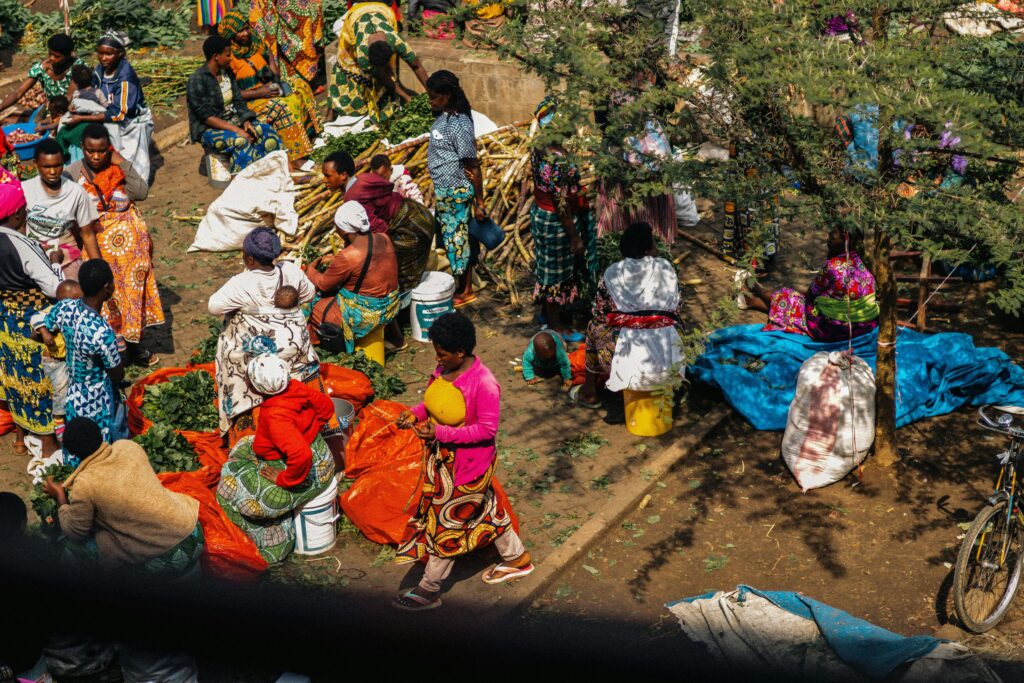
The culture of side hustles is thriving across Kenya. Many people are diversifying their income sources to supplement their primary jobs.
Common side hustles include:
- Online freelancing
- Small retail businesses
- Food vending
- Ride-hailing services
- Digital marketing services
The rise of digital platforms has made it easier for individuals to generate additional income. Many Kenyans now rely on entrepreneurship to maintain financial stability.
3. Smart Shopping and Bulk Buying
To manage rising food prices, many families are changing their shopping habits.
Strategies include:
- Buying food in bulk from wholesale markets
- Purchasing seasonal produce
- Comparing prices between supermarkets and local markets
- Reducing food waste
Local markets often provide fresh produce at lower prices than large retail stores, helping families stretch their budgets further.
4. Urban Farming and Kitchen Gardens
Urban agriculture is becoming increasingly popular as a response to the cost of living in Kenya. Many households are growing vegetables in small spaces such as balconies, backyards, and community gardens.
Common crops grown include:
- Spinach
- Kale (Sukuma Wiki)
- Tomatoes
- Onions
- Herbs
Kitchen gardens not only reduce grocery expenses but also provide fresh and nutritious food.
5. Shared Housing and Co-Living
Rent remains one of the biggest contributors to the cost of living in Kenya, especially in cities. To reduce housing costs, many people are opting for shared housing arrangements.
Young professionals and students often share apartments to split rent, utilities, and internet costs. This approach significantly lowers monthly living expenses.
6. Increased Use of Public Transportation
Transportation costs have increased due to higher fuel prices. Many Kenyans are responding by:
- Using public buses and matatus instead of private vehicles
- Carpooling with colleagues
- Walking or cycling for short distances
These changes help reduce daily commuting expenses.
Role of Technology in Managing Living Costs
Technology is playing an increasingly important role in helping Kenyans manage their finances.
Mobile Money and Digital Payments

Mobile money platforms allow users to track spending, transfer money instantly, and manage budgets efficiently.
Online Marketplaces
E-commerce platforms allow consumers to compare prices and find affordable products.
Remote Work Opportunities
Digital platforms have opened new income opportunities through remote work and freelancing.
Technology has become a powerful tool for coping with the cost of living in Kenya.
Community Support and Social Networks
Kenyan communities have a long tradition of mutual support. Social groups, savings circles, and community organizations provide financial assistance during difficult times.
Chamas and Savings Groups
Chamas (informal savings groups) are widely used in Kenya. Members contribute money regularly and take turns receiving lump-sum payouts. These groups help individuals:
- Save consistently
- Access small loans
- Support each other financially
Such systems strengthen community resilience against rising living costs.
Government and Policy Responses
Efforts to address the cost of living in Kenya also involve government policies aimed at stabilizing prices and supporting economic growth.
These initiatives may include:
- Fuel subsidies
- Agricultural support programs
- Infrastructure development
- Tax adjustments
While these measures aim to ease economic pressure, long-term solutions require sustainable economic growth and job creation.
Future Outlook for the Cost of Living in Kenya
The future of the cost of living in Kenya will depend on several factors, including economic stability, global market trends, and local production capacity.
However, one clear trend has emerged: Kenyans are increasingly embracing financial literacy, entrepreneurship, and innovation as tools to navigate economic uncertainty.
By focusing on income diversification, smart spending, and community support, many households are finding ways to maintain financial stability even during challenging economic periods.
The rising cost of living in Kenya has transformed how people manage their finances and plan their futures. While inflation and economic pressures continue to affect daily life, Kenyans are demonstrating resilience through innovation, entrepreneurship, and community collaboration.
From budgeting and side hustles to urban farming and shared housing, individuals are actively reshaping their financial strategies. These adaptive approaches highlight the strength and creativity of Kenyan communities in overcoming economic challenges.
As the country continues to evolve, the ability to adapt and innovate will remain essential for navigating the realities of the modern economic landscape.