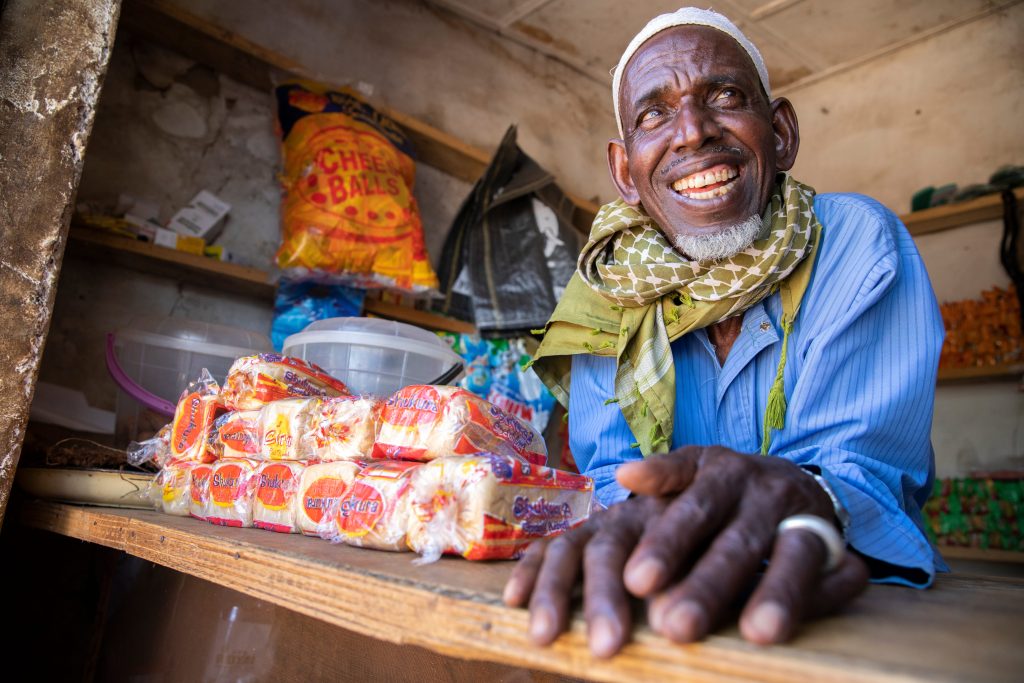
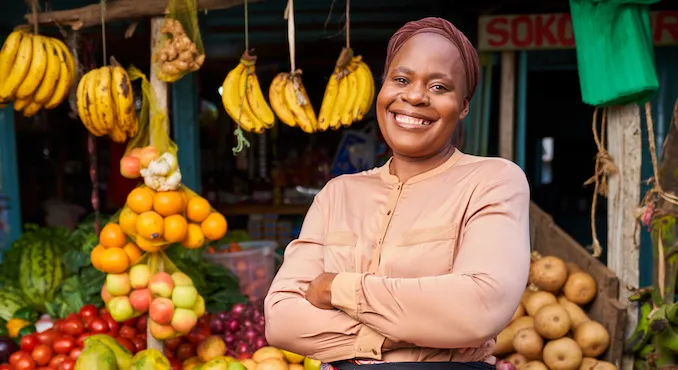
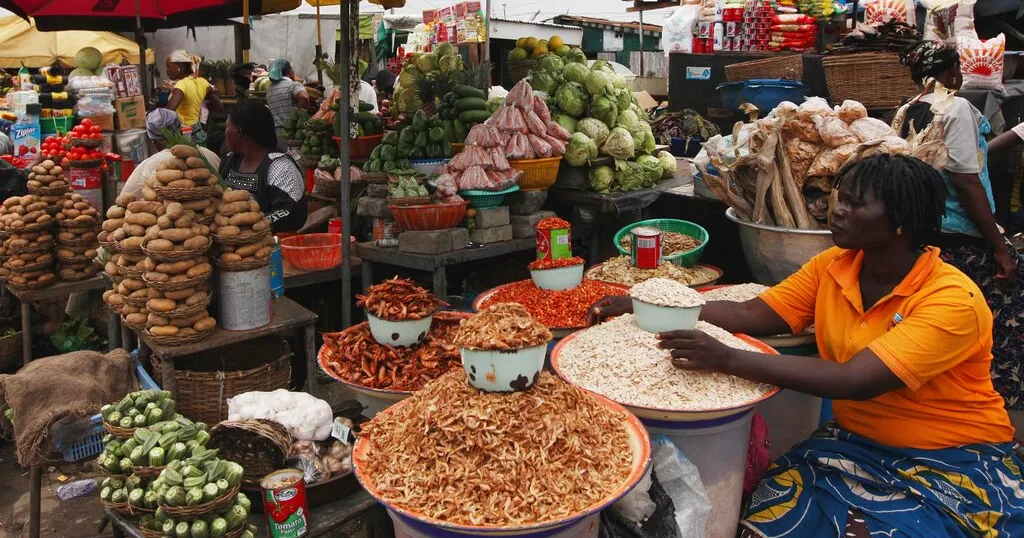
Small businesses form the lifeblood of Kenya’s economic landscape. They drive innovation, create jobs, and sustain local communities. From open-air markets to tech startups, these enterprises fuel economic growth across the nation.
The Role of Small Businesses in Kenya’s Growth
Small and Medium Enterprises (SMEs) contribute nearly 40% to Kenya’s GDP. They provide employment to millions, especially youth and women. These businesses fill market gaps left by large corporations and serve as engines of creativity and resilience.
In both rural and urban areas, SMEs generate income and promote financial inclusion. They enable self-employment and reduce dependency on formal jobs, which remain limited in the country. This adaptability strengthens Kenya’s overall economic stability.
Job Creation and Youth Empowerment
Kenya faces a high youth unemployment rate. Small businesses step in as major job creators. They employ over 80% of the country’s workforce in the informal sector.
Through entrepreneurship, young people gain valuable skills and financial independence. Small ventures in agriculture, technology, and manufacturing empower the next generation to shape their own futures. This shift reduces poverty and promotes inclusive growth.
Driving Innovation and Digital Transformation
The digital revolution in Kenya has opened new doors for SMEs. With access to mobile banking, online marketing, and e-commerce platforms, small businesses are now reaching global markets.
Mobile money services like M-Pesa have made financial transactions easier and safer. Many entrepreneurs now run online stores, offer digital services, and connect with customers through social media. This innovation enhances competitiveness and fosters a modern economy.
Boosting Local Communities and Rural Development
Small businesses play a vital role in uplifting rural communities. They create jobs close to home, support local farmers, and promote regional trade.
In counties like Kisumu, Nakuru, and Mombasa, small enterprises are transforming local economies. They reinvest profits locally, improving living standards and supporting education and healthcare. As a result, regional inequalities continue to narrow.
Challenges Facing Small Businesses in Kenya
Despite their importance, small businesses face multiple hurdles. Limited access to credit, high taxes, and inadequate infrastructure slow their growth. Many entrepreneurs struggle with business management and digital literacy.
Government initiatives like the Hustler Fund and SME support programs are helping bridge these gaps. Access to affordable loans and training programs gives small businesses the tools to thrive and expand.
Government Support and Future Outlook
Kenya’s Vision 2030 recognizes SMEs as a cornerstone of economic progress. The government continues to promote entrepreneurship through policy reforms and funding opportunities.
With the rise of innovation hubs and digital marketplaces, the future looks bright for small enterprises. Encouraging entrepreneurship education and sustainable practices will further boost Kenya’s economic resilience.
Conclusion
Small businesses are not just participants in Kenya’s economy—they are its foundation. They empower citizens, foster innovation, and sustain livelihoods. By supporting and investing in SMEs, Kenya paves the way for inclusive and lasting prosperity.
A stronger small business sector means a stronger Kenya.