Introduction: Understanding Kenyan Public Sentiment on Parliament
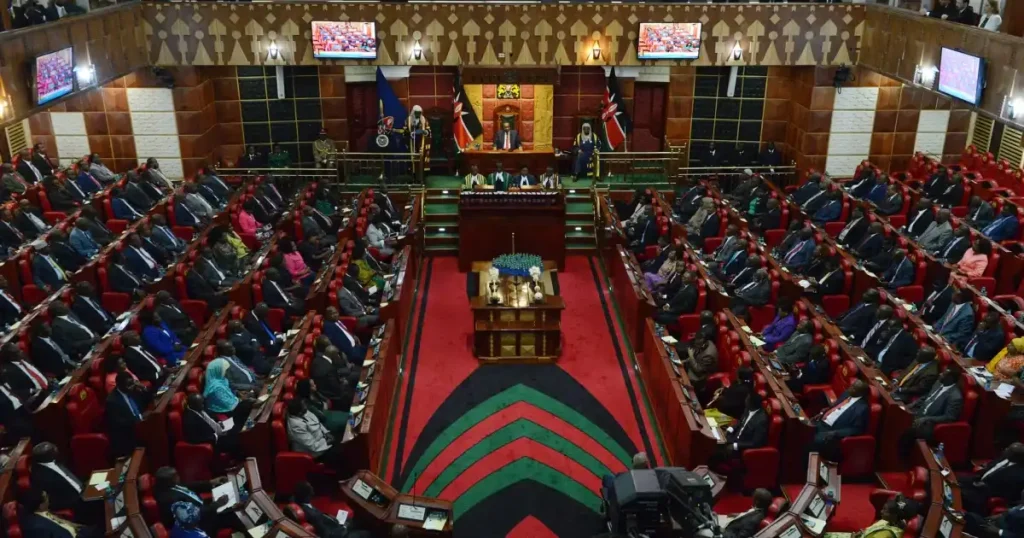
Parliament plays a central role in Kenya’s democratic governance, shaping policies, passing laws, and holding the executive accountable. Yet, the perception of Parliament among Kenyans has always been complex. Public opinion ranges from trust and respect for the institution’s constitutional mandate to frustration and skepticism over corruption, inefficiency, and political theatrics.
This article dives deep into what Kenyans really think about Parliament, highlighting insights on performance, representation, reforms, accountability, and the expectations citizens hold for the future of the institution.
Trust Levels: Do Kenyans Believe in Parliament?
A major concern for most Kenyans is whether Parliament represents the will of the people. Over the years, surveys and street opinions have consistently revealed a decline in public trust. Many citizens believe that Members of Parliament (MPs) prioritize personal gains, hefty salaries, and political ambitions over service delivery.
On the other hand, a section of the population still acknowledges the critical role Parliament plays in debating key national issues, approving budgets, and enacting laws that shape everyday life. However, the majority view remains that trust in Parliament is fragile and declining.
Parliament and Representation: Are Citizens’ Voices Heard?
One of the most debated issues in Kenya is whether MPs genuinely represent their constituencies. For many Kenyans, Parliament is viewed as detached from grassroots concerns. Citizens feel that after elections, most MPs shift focus from community development projects to political positioning and personal enrichment.
Nevertheless, there are exceptional MPs who have earned respect by championing local issues, pushing for policies that benefit marginalized communities, and ensuring equitable distribution of resources. Yet, the prevailing perception is that representation is uneven, with most citizens feeling underrepresented in Parliament.
Parliamentary Performance: Lawmaking vs. Political Drama
Parliament is expected to be the nerve center of legislation, but many Kenyans associate it more with political theatrics than serious lawmaking. From walkouts, heated exchanges, and partisan alignments, citizens often criticize Parliament for being too political and less focused on results.
However, some landmark legislations—including devolution laws, education reforms, and health policies—have showcased Parliament’s potential to deliver meaningful change. Still, the perception that politics overshadows legislative duty remains dominant in public discourse.
Public Opinion on Salaries and Benefits of MPs
One of the most sensitive issues that dominate conversations around Parliament in Kenya is the salaries and allowances of MPs. Kenyans often express outrage over what they perceive as inflated pay packages, especially when compared to the struggles of ordinary citizens.
This perception has fueled anger and resentment, as many citizens view MPs as out of touch with economic realities. For most Kenyans, MPs should earn based on performance, and there is growing support for salary reviews and cuts to align with public expectations.
Corruption and Accountability in Parliament
When Kenyans discuss Parliament, corruption is often at the center of the conversation. Many citizens believe that Parliament has become a hub for shady deals, questionable contracts, and political compromises.
Parliament’s oversight role, particularly through committees, is viewed with mixed reactions. While committees have exposed scandals and misuse of public funds, the follow-up and prosecution of implicated officials is often slow, selective, or inconclusive. This has eroded public confidence and reinforced the belief that accountability is lacking within Parliament itself.
Reforms and Public Expectations
Despite the criticisms, Kenyans remain hopeful about the potential for parliamentary reforms. Citizens consistently call for:
- Stronger ethical standards for MPs.
- Transparency in debates and decisions.
- Reduced salaries and allowances.
- Prioritization of national interest over personal gain.
- More inclusive representation, ensuring voices of women, youth, and marginalized communities are heard.
These expectations highlight a strong desire for a Parliament that reflects integrity, service, and accountability.

Impact of Parliament on Everyday Life
Though Parliament may seem far removed from daily struggles, Kenyans recognize its direct impact on issues such as taxation, fuel prices, education funding, and healthcare policies. Citizens often express frustration that decisions made in Parliament rarely prioritize the ordinary mwananchi (common citizen).
Yet, the institution remains central to shaping the economic and social landscape of the country. This paradox explains why, despite skepticism, Kenyans still follow parliamentary proceedings closely, knowing that the policies passed affect their livelihoods directly.
Youth and Social Media Opinions on Parliament
In today’s digital era, social media platforms like Twitter (X), Facebook, and TikTok have become the new arenas for Kenyans to voice their opinions about Parliament. The youth, in particular, are vocal about their discontent with corruption, lack of jobs, and poor representation.
Hashtags such as #OccupyParliament and #ParliamentWatch have trended in Kenya, reflecting how young citizens are demanding transparency and accountability. Social media has amplified these sentiments, giving Parliament constant public scrutiny like never before.
Conclusion: What Kenyans Really Think About Parliament
In conclusion, what Kenyans really think about Parliament is shaped by a mix of disillusionment, criticism, and cautious hope. While Parliament is seen as essential to democracy, it is equally criticized for corruption, inflated salaries, political drama, and weak accountability.
Kenyans want a reformed Parliament that upholds integrity, prioritizes national interests, and listens to the voices of ordinary citizens. Only then can the institution rebuild trust and respect in the eyes of the public.