Nairobi, Kenya — August 2025
Over a year after Kenya was elevated to Major Non‑NATO Ally (MNNA) status—a first for any sub‑Saharan African nation—the U.S. Congress has initiated a sweeping review of Kenya’s qualification. This move marks a turn in bilateral relations and elevates scrutiny of Kenya’s strategic alignments, internal governance, and security operations.
1. Origins of the MNNA Designation
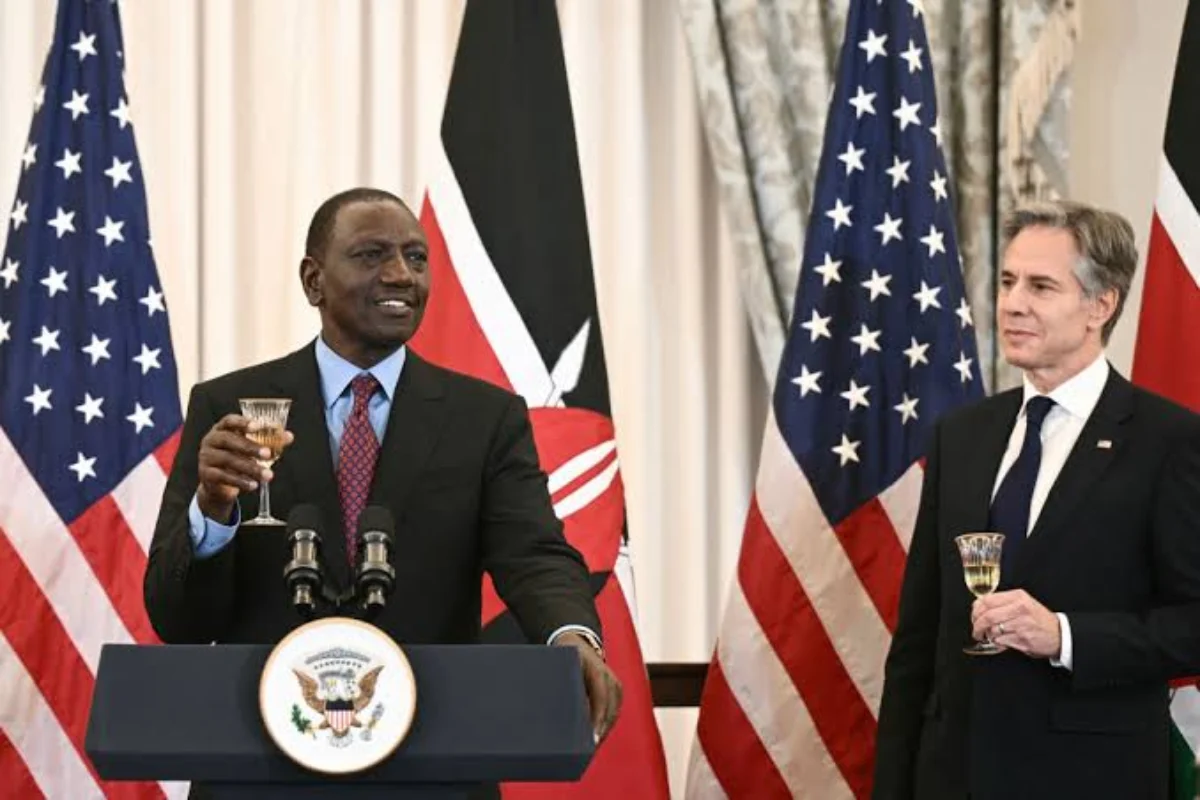
In June 2024, during President William Ruto’s state visit to Washington, President Biden conferred on Kenya the MNNA status. This symbolic elevation recognized Nairobi’s leadership in regional security—from counterterrorism efforts against al‑Shabab to peacekeeping operations abroad, notably the deployment of 1,000 police officers to Haiti under a UN mandate .
2. Senator Jim Risch’s Amendment Sparks Review
In August 2025, U.S. Senator James Risch (R‑Idaho), chair of the Senate Foreign Relations Committee, proposed an amendment to the National Defense Authorization Act (FY 2026). The amendment mandates a comprehensive, 90‑day review of Kenya’s MNNA status following enactment of the Act. The review—undertaken by the U.S. Secretary of State in consultation with Defense, Treasury, and Intelligence officials—would scrutinize the very foundations of the alliance .
3. Key Concerns Driving the Review
The impetus for this review stems from multiple strategic and ethical concerns:
- Geopolitical Alignments: Lawmakers want clarity on Kenya’s growing ties with China, Russia, and Iran—including any military, security, or political engagements initiated since June 2024 .
- Links to Armed Groups: The probe will investigate whether individuals or entities under U.S. sanctions—as well as groups like al‑Shabab or Sudan’s Rapid Support Forces (RSF)—have meaningful connections to Kenyan officials or interests .
- Human Rights and Security Support: A growing chorus of concern surrounds Kenya’s use of U.S. security and intelligence assistance. Allegations include enabling or facilitating human rights abuses—such as extrajudicial killings, abductions, torture, or enforced disappearances—by state or non‑state actors .
4. Domestic Backlash and Diplomatic Risk
Former Deputy President Rigathi Gachagua sharply criticized the review, arguing it risks pushing Kenya toward international isolation. Gachagua accused the government of harboring sanctioned individuals and hosting politically controversial RSF meetings—actions he says verge on compromising sovereignty and inviting diplomatic blowback .
5. Broader Implications at Stake
For Kenya, being an MNNA unlocked access to advanced U.S. military equipment, priority defense cooperation, and joint training—benefits that elevated its stature in both regional and global security architectures . Should the review conclude unfavorably, Nairobi risks losing not only these advantages but also a symbolic anchor in its U.S. strategic partnership.
Conclusion
In essence, the U.S. review was triggered by mounting concerns in Washington over Kenya’s evolving foreign alliances, potential affiliations with controversial actors, and the ethical dimensions of its security apparatus. As the 90‑day window unfolds, Kenya finds itself under a critical lens—one that may reshape its global partnerships and regional influence.