


Kenya has faced numerous corruption scandals that have shaken public trust and slowed economic progress. These scandals have exposed deep-rooted systems of graft, mismanagement, and impunity. Below are the most impactful scandals that have left a lasting mark on Kenya’s political and economic landscape.
Goldenberg Scandal – The Billion-Dollar Theft
The Goldenberg scandal in the 1990s remains one of Kenya’s most notorious cases of financial fraud. The scheme involved false gold and diamond export claims. Companies received government compensation for exports that never occurred.
This scandal cost Kenya over KSh 100 billion. Several senior officials were implicated. Despite multiple investigations, few faced serious consequences. It weakened the national economy and led to donor withdrawal.
Anglo Leasing – Phantom Projects, Real Losses
The Anglo Leasing scandal emerged in 2004 and involved fraudulent security contracts. Ghost companies were paid billions to supply non-existent services and equipment to the government.
Over KSh 70 billion was lost. The scandal tainted Kenya’s image abroad. International lenders threatened sanctions, and reforms were demanded. Few prosecutions followed despite public outcry.
National Youth Service (NYS) Scandals – Youth Betrayed
In 2015 and again in 2018, NYS was hit by massive graft cases. Funds meant to empower the youth were siphoned through fake tenders and inflated payments. Key government officials were named in the scandal.
Over KSh 20 billion disappeared. These scandals sparked widespread protests. Citizens demanded accountability. Multiple resignations followed, but convictions were rare.
Maize and Sugar Scandals – Rot in the Food Sector
Kenya has repeatedly faced maize and sugar scandals. These involve cartels hoarding, smuggling, and misallocating state funds meant for imports. Farmers suffer while cartels thrive.
Consumers end up paying more. Local production gets undermined. The government’s response often lacks urgency. These scandals show how corruption affects the daily lives of Kenyans.
KEMSA COVID-19 Heist – A Pandemic Profiteering Shame
In 2020, as Kenya battled COVID-19, the Kenya Medical Supplies Authority (KEMSA) was rocked by a scandal. Billions meant for PPEs and medical supplies vanished.
Inflated contracts were awarded to politically connected companies. Some supplies were unusable. Health workers protested. While a few officials were suspended, many suspects walk free.
Eurobond Scandal – Missing Billions on Global Stage
In 2014, Kenya raised over $2 billion through a Eurobond. The funds were meant for development. However, questions arose over the money’s whereabouts. Audits and statements failed to account for large sums.
Despite high-level inquiries, the case remains unresolved. It shook investor confidence and raised debt concerns. It remains one of Kenya’s most controversial financial mysteries.
Kenya Power & KPLC Procurement Scams
Kenya Power has long faced allegations of mismanagement and tender fraud. Inflated contracts, poor service delivery, and bribery dominate the company’s history.
Billions were lost through overpriced transformers, illegal connections, and fake tenders. Consumers suffer frequent blackouts and high bills. These scandals highlight corruption in public utilities.
Impact on Governance and Public Trust
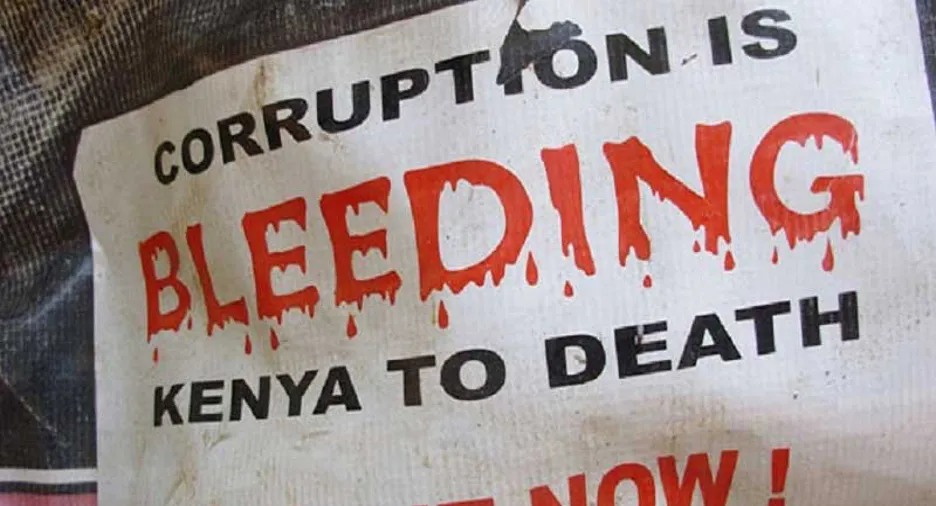
These scandals have deepened public mistrust in government institutions. Billions of taxpayer money have been lost. Development projects stall. Youth unemployment rises. Services remain poor.
While whistleblowers and journalists expose the rot, accountability remains weak. Political interference often protects the guilty. Kenyans continue to demand reforms, justice, and transparency.
Ongoing Reforms and the Way Forward
There have been strides in digital procurement systems and public audits. Agencies like EACC and ODPP have improved capacity. However, results remain slow.
For meaningful change, enforcement must match policy. Prosecution must be swift and fair. Whistleblower protection should be strengthened. Citizens must stay vigilant and push for reform.
Conclusion
Corruption has cost Kenya more than money—it has robbed hope, justice, and opportunity. The scandals listed above are not just stories of theft, but of betrayal. Real progress depends on real accountability.
Kenya’s future will only be shaped positively when integrity becomes non-negotiable. The time for action is now.

