
The Legacy of the Building Bridges Initiative (BBI)
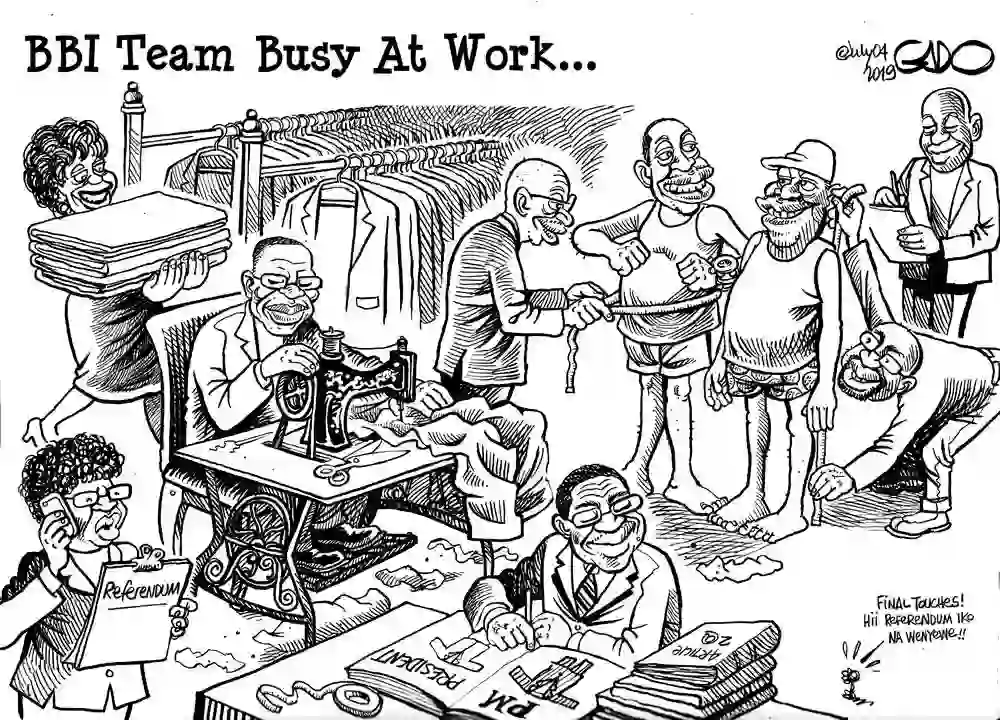
The Building Bridges Initiative (BBI) was not just another political proposal. It was a bold attempt to restructure Kenya’s governance, tackle historical injustices, and build national unity. Years later, even after legal hurdles and political setbacks, its ripple effect still stirs political conversations and shapes decision-making.
BBI’s Impact on Political Dialogue in Kenya
Even after its collapse, BBI remains a reference point in political debates. Politicians from both sides of the spectrum continue to cite it. Proponents argue it was the path to inclusivity and peace. Critics, on the other hand, still view it as a tool for elite power-sharing.
This ongoing debate fuels election campaigns, legislative priorities, and governance strategies. Terms like “inclusivity,” “ethnic balancing,” and “constitutional reforms” are now deeply embedded in Kenya’s political vocabulary.
How BBI Influenced the 2022 Elections
The 2022 General Election showed how deeply BBI had influenced Kenya’s political landscape. Raila Odinga’s campaign leaned heavily on BBI promises. Although the initiative was officially dead, its goals were recycled in manifestos and rallies.
William Ruto, who opposed BBI, used that stance to strengthen his “hustler vs dynasty” narrative. His message appealed to many who viewed BBI as a threat to democracy. This contrast gave voters a clear ideological choice rooted in the BBI debate.
The Judiciary’s Role and Public Trust
The BBI process also exposed cracks in the balance of power between the Executive and the Judiciary. The High Court, Court of Appeal, and Supreme Court all ruled against the initiative. These rulings boosted public trust in the Judiciary as a guardian of the Constitution.
Kenyans saw, perhaps for the first time in a long while, the courts acting independently. This shift empowered civil society and ordinary citizens to challenge government overreach.
BBI and Devolution Strengthening
One of the key proposals in BBI was to increase county allocations to 35%. While that didn’t pass, the pressure remains. County leaders still push for better funding based on that benchmark.
This has reignited conversations around fiscal decentralization. Governors argue that delivering services without enough resources is impossible. Therefore, the BBI push still influences budgetary expectations at the county level.
Education and Youth Empowerment Still on the Table
BBI proposed a raft of reforms focused on education and youth development. Though not implemented, many young people embraced these promises. Discussions on HELB reforms, job creation, and youth inclusion in policymaking have their roots in BBI dialogues.
Current leaders know they cannot ignore youth demands. Even without formal BBI policies, the youth agenda remains dominant in public discourse.
National Unity and the Handshake Legacy
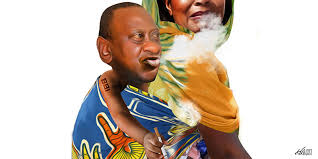
The handshake between Uhuru Kenyatta and Raila Odinga, which birthed BBI, created a brief moment of political calm. Although short lived, it demonstrated that rival camps could work together.
This spirit lingers. Politicians today are under pressure to show unity, avoid incitement, and maintain national cohesion. The BBI conversation redefined what peace building looks like in Kenyan politics.
Conclusion: BBI’s Spirit Lives On
The BBI document may have failed in court, but its ideas didn’t die. It reshaped how Kenyans talk about leadership, equality, and governance. Every political promise, from power sharing to constitutional change, is now viewed through a BBI lens.
As Kenya continues to evolve, the shadow of BBI remains. It reminds both leaders and citizens of what could have been and what still might be possible in future constitutional reforms.