



Petrol and Diesel Prices Surge Again
The Energy and Petroleum Regulatory Authority (EPRA) has announced a sharp increase in fuel prices. Petrol now costs KSh 8.99 more per litre, while diesel has risen by KSh 8.67. This update has left motorists and businesses reeling, as transport and operational costs climb higher.
Nationwide Reactions: Frustration and Anger
Many Kenyans have taken to social media to voice their frustrations. From Nairobi to Mombasa, citizens expressed deep disappointment over the timing and frequency of fuel hikes. Netizens described the increase as “punitive” and “unbearable” amid the current economic hardships.
Small business owners lamented rising costs of goods. Public transport operators warned of imminent fare hikes, putting more pressure on already stretched household incomes.
Public Transport Sector Faces New Pressure
Matatu and boda boda operators are among the most affected. With diesel prices climbing, operators now face a tough choice — reduce profits or raise fares. Many fear a significant drop in passengers if fare adjustments are made.
“We cannot absorb these costs anymore,” said a matatu driver in Nairobi. “Our customers are already struggling. This may drive us out of business.”
Economic Impact: More Than Just Fuel
Fuel prices in Kenya have a ripple effect. Every increase inflates food prices, building materials, and logistics. Farmers face higher transport charges. Manufacturers pass extra costs to consumers. Inflation, already a concern, may surge even higher.
Experts warn that such price hikes could hurt job creation and economic growth. With living standards strained, Kenyans are demanding better policies.

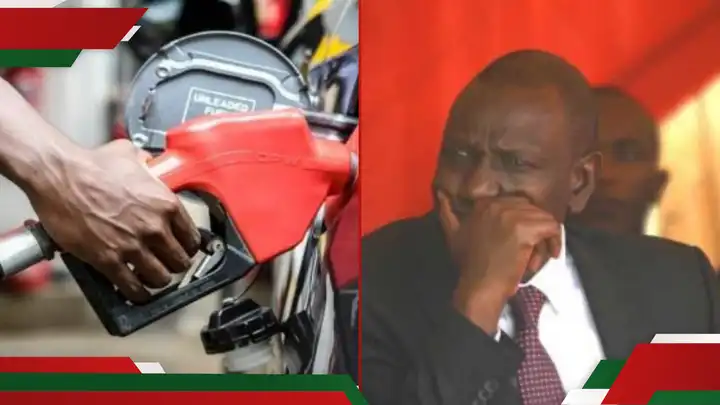
Government Faces Backlash
The government has come under fire for not cushioning citizens. Many question the taxes and levies included in the fuel pricing formula. Critics argue that EPRA’s frequent reviews do not reflect the economic struggles of the common mwananchi.
Several leaders have urged the government to rethink fuel taxation. Some have proposed subsidies to stabilize prices and protect consumers.
Calls for Policy Reforms and Transparency
Kenyans want clarity on how fuel prices are calculated. Activists and economists are calling for full transparency from EPRA. They argue that international oil prices do not justify the magnitude of the recent increase.
“There needs to be accountability,” said a Nairobi-based economist. “We must know the real reason behind these changes. Are they protecting the consumer or filling state coffers?”
What to Expect Going Forward
If prices continue to rise unchecked, the cost of living may hit record highs. Households will tighten budgets. Small traders may close shops. The public transport sector could see disruptions.
As the nation waits for the next EPRA review, many are hoping for a reversal — or at least some form of relief.
Final Thoughts: Kenyans Demand Action, Not Excuses
Kenyans are resilient, but their patience is wearing thin. Another fuel price hike, without clear justification, could spark wider unrest. The government must act decisively. Immediate policy changes and fuel pricing reforms are necessary to ease public pressure.
For now, Kenyans brace for tougher days ahead — as life becomes more expensive, one litre at a time.