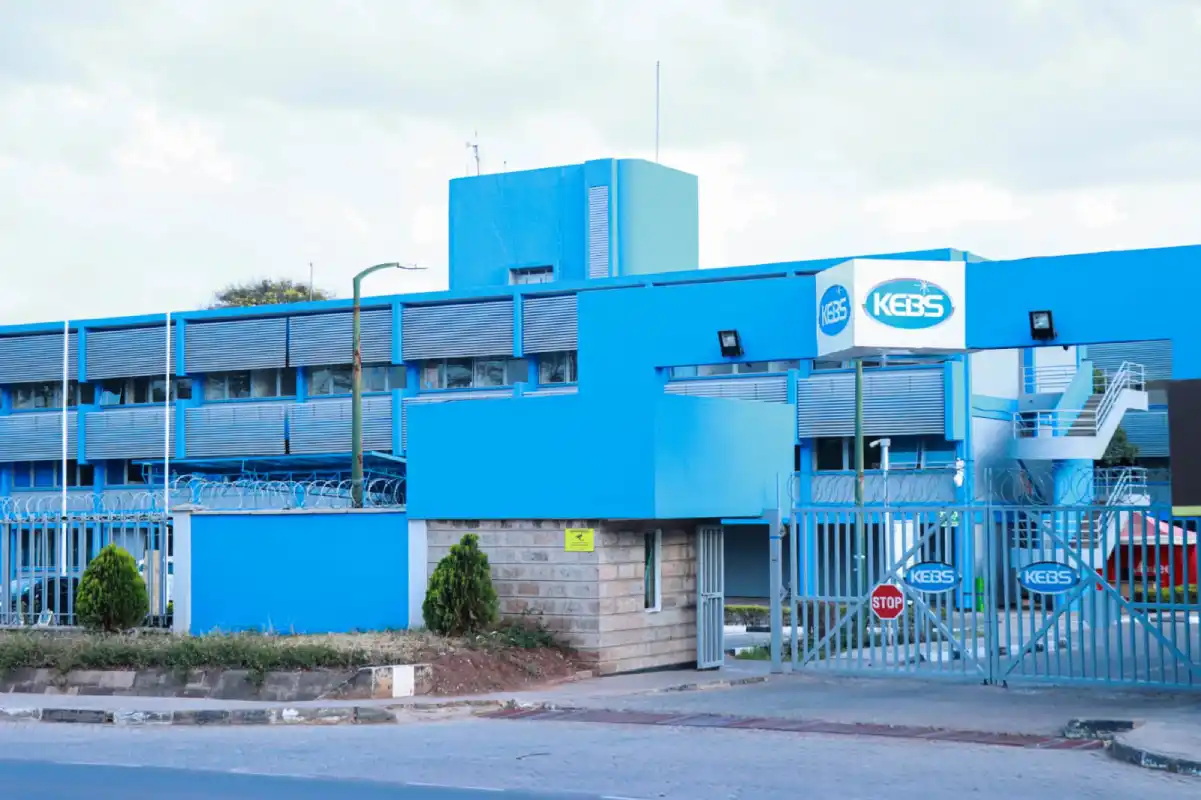
The Kenya Bureau of Standards (KEBS) has strongly denied allegations by opposition leaders that contaminated sugar has been allowed into the country and is being distributed to unsuspecting consumers.
In a public statement released this week, KEBS dismissed the claims as “misleading and unsubstantiated,” maintaining that no unsafe sugar has been cleared for distribution in Kenya. The statement comes after opposition figures—including Kalonzo Musyoka and Martha Karua—raised alarms over a shipment of sugar they allege is contaminated and being repackaged for sale across the country.
Allegations by the Opposition
The controversy began when several opposition leaders alleged that a 25,000-metric-tonne consignment of sugar, deemed unfit for human consumption in its country of origin, was cleared through the Port of Mombasa. According to their claims, the sugar is being secretly repackaged in parts of Western Kenya and sold to the public.
Speaking during a joint press briefing, the leaders called the situation a “public health disaster in the making,” urging the government to act swiftly to halt distribution and destroy the consignment. They further demanded that those responsible be held accountable.
In response, KEBS categorically denied the claims, clarifying that all imported and locally produced sugar in Kenya undergoes mandatory inspection, laboratory testing, and certification before it is released into the market.
“No contaminated sugar has been cleared or released into the market. All consignments are subjected to stringent quality assurance procedures in accordance with national standards,” KEBS stated.
The agency further accused the opposition of spreading false and alarmist information that could erode public trust in regulatory institutions and cause unnecessary panic among consumers.
This controversy has once again brought to light issues surrounding food safety, border control, and political accountability in Kenya. For the opposition, the alleged sugar scandal fits into a larger narrative accusing the government of compromising public health for profit.
For KEBS and the government, the incident is a test of credibility and transparency, especially at a time when food imports are under increased scrutiny due to rising concerns about product quality and corruption.
What Kenyans Should Know
KEBS has encouraged the public to remain calm and to rely on official communication channels when it comes to issues affecting food safety. Consumers are also urged to verify the certification marks on products before purchase and to report any suspicious goods to the relevant authorities.
Meanwhile, the government has not opened any official investigation into the claims, though pressure from civil society groups and political leaders may prompt further scrutiny.