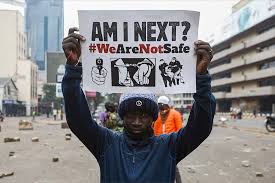
Introduction: A Nation at a Political Crossroads
As Kenya nears its next general election, political tension is rising sharply, shaping national discourse and influencing everyday life. We are witnessing a period defined by heightened political mobilization, economic anxiety, and growing public scrutiny of leadership. Across urban centers and rural communities alike, the atmosphere is charged, reflecting both anticipation and uncertainty about the country’s democratic trajectory.
This evolving political climate is not occurring in isolation. It is deeply tied to Kenya’s history of competitive elections, shifting alliances, and the aspirations of a youthful electorate eager for transformation.
Key Drivers of Political Tension in Kenya
1. Intensifying Political Rivalries
At the center of the current tension are deepening rivalries between major political figures and coalitions. Leaders such as William Ruto and Rigathi Gachagua continue to dominate the political landscape, with their competing visions shaping national debate.
We observe that:
- Campaign rhetoric has become increasingly assertive.
- Political messaging is targeting economic frustrations.
- Coalition-building is becoming more complex and strategic.
These rivalries are not merely personal—they represent broader ideological and socio-economic divides within the country.
2. Economic Pressures Fueling Political Discontent
The rising cost of living remains a critical source of public frustration, directly feeding into political tension. Citizens are grappling with:
- High inflation rates
- Increased taxation measures
- Unemployment, particularly among youth
Economic hardship has transformed political campaigns into platforms for economic accountability, where promises of reform are scrutinized intensely. As a result, economic issues are no longer secondary—they are central to voter decision-making.
3. Youth Engagement and First-Time Voters
Kenya’s demographic profile is dominated by young people, making youth participation a decisive factor in the upcoming election. First-time voters are:
- More digitally connected than previous generations
- Highly responsive to social media campaigns
- Increasingly vocal about governance and transparency
We see a shift where young voters are not just participants but active influencers of political narratives. Their expectations are clear: jobs, integrity, and inclusive governance.
The Role of Media and Digital Platforms
Traditional Media vs Digital Influence
The Kenyan media landscape is undergoing a transformation. While traditional outlets remain influential, digital platforms are rapidly redefining political communication.
Key developments include:
- The rise of online political campaigns
- Increased use of data-driven messaging
- Rapid spread of information—and misinformation
Platforms like Twitter (now X) and Facebook have become battlegrounds for political discourse. Here, narratives are shaped in real time, often amplifying tensions.
Misinformation and Public Perception
With increased digital engagement comes the challenge of misinformation and propaganda. False narratives can:
- Escalate ethnic or political divisions
- Undermine trust in electoral institutions
- Influence voter perceptions unfairly
Addressing this issue is critical to maintaining electoral integrity and national stability.
Ethnic Dynamics and Political Alignment
Kenyan politics has historically been influenced by ethnic affiliations, and this remains a significant factor. Political alliances often reflect:
- Regional interests
- Community representation
- Historical voting patterns
While there is progress toward issue-based politics, ethnic considerations continue to shape voter behavior, contributing to underlying tensions during election periods.
Security Concerns and Electoral Preparedness
Ensuring Peaceful Elections
Security remains a top priority as the election approaches. Authorities, including the Independent Electoral and Boundaries Commission, are under pressure to ensure:
- Transparent electoral processes
- Peaceful polling environments
- Swift resolution of disputes
The memory of past electoral unrest continues to influence both government strategy and public expectations.
Role of Security Agencies
Security agencies are working to prevent:
- Political violence
- Electoral malpractice
- Public unrest
Their effectiveness will play a crucial role in maintaining national stability during this sensitive period.
Impact on the Kenyan Economy
Investor Confidence and Market Stability
Political uncertainty often affects investor confidence, and Kenya is no exception. We are observing:
- Delayed investment decisions
- Currency fluctuations
- Reduced business activity in certain sectors
International investors are closely monitoring developments, particularly in key sectors such as infrastructure, agriculture, and technology.
Local Business and Economic Activity
Domestic businesses are also feeling the impact. Election periods typically bring:
- Slower economic growth
- Reduced consumer spending
- Increased operational risks
However, they also create opportunities in sectors like media, logistics, and event management.
International Attention and Diplomatic Interest
Kenya’s strategic position in East Africa means that its elections attract significant international attention. Organizations such as the African Union and the United Nations often deploy observers to:
- Monitor electoral processes
- Promote democratic standards
- Support peaceful transitions of power
This global focus underscores Kenya’s importance as a regional political and economic leader.
Citizen Expectations and Democratic Accountability
Demand for Transparent Leadership
Kenyan citizens are increasingly demanding:
- Accountability from leaders
- Transparent governance
- Effective service delivery
This shift reflects a growing political maturity, where voters are less influenced by rhetoric and more by performance and credibility.
Civil Society and Public Participation
Civil society organizations are playing a critical role in:
- Voter education
- Election monitoring
- Advocacy for democratic reforms
Their involvement strengthens institutional accountability and public trust.
Potential Scenarios and Future Outlook
Optimistic Scenario: Peaceful Transition and Reform
In a best-case scenario, Kenya could experience:
- A peaceful election process
- Increased investor confidence
- Strengthened democratic institutions
This would position the country for sustainable growth and political stability.
Challenging Scenario: Heightened Tension and Instability
Alternatively, unresolved tensions could lead to:
- Electoral disputes
- Public protests
- Economic disruption
Managing these risks requires proactive leadership and institutional resilience.
Conclusion: Navigating a Critical Political Moment
As Kenya approaches its general election, we stand at a defining moment in the nation’s democratic journey. The rising political tension reflects not only competition for power but also deep-seated aspirations for change, accountability, and progress.
The actions taken by leaders, institutions, and citizens in the coming months will shape Kenya’s future for years to come. By prioritizing peace, transparency, and inclusive governance, the country has the opportunity to emerge stronger, more united, and better positioned on the global stage.