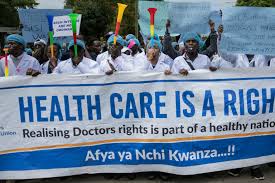
Introduction: A New Era of Healthcare in Kenya
Kenya is undergoing a significant transformation in its healthcare system, driven by bold healthcare policies, strategic investments, and a renewed national commitment to universal health coverage (UHC). We are witnessing a shift from fragmented service delivery toward a more inclusive, accessible, and affordable healthcare model that prioritizes the needs of all citizens. These reforms are reshaping how healthcare is financed, delivered, and experienced across the country.
With a focus on NHIF reforms and expanded access to affordable medical services, Kenya is positioning itself as a regional leader in healthcare innovation. This article explores the depth and impact of these reforms, offering a comprehensive understanding of how they are improving healthcare access, affordability, and quality.
Understanding Healthcare Policies Driving Reform
Kenya’s healthcare reforms are anchored in progressive healthcare policies designed to eliminate systemic inefficiencies and expand service coverage. We see a deliberate effort to strengthen governance, accountability, and service delivery across both public and private sectors.
Key policy shifts include:
- Decentralization of healthcare services to county governments, enhancing local responsiveness.
- Increased budget allocation to health, targeting infrastructure, staffing, and essential supplies.
- Public-private partnerships (PPPs) to bridge service gaps and improve efficiency.
- Digital health integration, enabling better patient tracking and resource management.
These policies are not theoretical frameworks—they are actively reshaping the healthcare landscape by ensuring that every Kenyan has a fair opportunity to access quality medical care.
Universal Health Coverage (UHC): Expanding Equity and Access
At the heart of Kenya’s health reforms lies the ambitious goal of achieving universal health coverage (UHC). We are moving toward a system where no individual is denied healthcare due to financial constraints.
Key Pillars of UHC Implementation
- Financial Risk Protection
Citizens are increasingly shielded from catastrophic health expenditures through subsidized insurance programs and expanded coverage. - Comprehensive Service Delivery
UHC ensures access to a broad range of services including:- Preventive care
- Maternal and child health services
- Chronic disease management
- Emergency treatment
- Strengthened Primary Healthcare
Investments in community health units and dispensaries are bringing services closer to the population, especially in rural areas.
We are seeing measurable improvements in health outcomes, particularly in maternal health, immunization coverage, and early disease detection.
NHIF Reforms: Revolutionizing Health Insurance in Kenya
The National Hospital Insurance Fund (NHIF) has undergone extensive reforms aimed at making it more efficient, transparent, and inclusive. These changes are central to Kenya’s journey toward affordable healthcare for all.
Major NHIF Reforms
- Expanded Coverage: Inclusion of outpatient services, specialized treatments, and chronic disease care.
- Revised Contribution Rates: Structured to ensure fairness across income levels while increasing sustainability.
- Digitization of Services: Enhancing efficiency in claims processing and reducing fraud.
- Accreditation of More Facilities: Increasing the number of hospitals and clinics accessible to NHIF members.
Impact on Citizens
We are experiencing a shift where more Kenyans can now:
- Access treatment without upfront payments
- Receive care at accredited private and public facilities
- Benefit from specialized services previously unaffordable
The reforms have significantly reduced out-of-pocket healthcare expenses, which were historically a major barrier to access.
Improving Access to Affordable Medical Services
Access to affordable medical services is no longer a distant goal but a growing reality. Kenya’s reforms are systematically addressing geographical, financial, and structural barriers.
Infrastructure Development
We are witnessing:
- Construction and upgrading of health facilities in underserved areas
- Increased availability of medical equipment and diagnostic tools
- Expansion of mobile clinics and outreach programs
Human Resource Strengthening
Efforts include:
- Hiring and training more healthcare professionals
- Incentivizing deployment to rural and remote regions
- Enhancing capacity through continuous medical education
Medicine Availability and Pricing
The government has prioritized:
- Bulk procurement of essential drugs
- Regulation of pharmaceutical pricing
- Improved supply chain systems to prevent shortages
These initiatives ensure that quality healthcare services are not only available but also affordable for the majority of Kenyans.
Enhancing Quality of Healthcare Services
Beyond access and affordability, Kenya’s reforms emphasize quality improvement across the healthcare system.
Quality Assurance Measures
- Implementation of standard treatment guidelines
- Regular facility inspections and accreditation processes
- Adoption of patient-centered care models
Technology Integration
Digital health solutions are transforming service delivery through:
- Electronic medical records (EMRs)
- Telemedicine services
- Data-driven decision-making tools
We are seeing improved diagnostic accuracy, reduced waiting times, and better patient outcomes as a result of these innovations.
The Role of Stakeholders in Health Reforms
Kenya’s healthcare transformation is a collaborative effort involving multiple stakeholders:
Government
Driving policy formulation, funding, and regulation.
Healthcare Workers
Delivering frontline services and adapting to new systems.
Private Sector
Providing investment, innovation, and service expansion.
NGOs and Development Partners
Supporting capacity building, funding, and technical expertise.
Citizens
Actively participating through insurance enrollment and health-seeking behavior.
We recognize that sustained collaboration is essential for the long-term success of these reforms.
Economic and Social Impact of Health Reforms
The benefits of Kenya’s healthcare reforms extend beyond health outcomes into broader economic and social domains.
Economic Benefits
- Reduced financial burden on households
- Increased productivity due to a healthier population
- Attraction of health sector investments
Social Benefits
- Improved life expectancy
- Reduced inequality in healthcare access
- Strengthened community resilience
We are building a healthcare system that not only treats illness but also supports national development and social stability.
Challenges and the Path Forward
While progress is evident, certain challenges persist:
- Funding gaps and sustainability concerns
- Inequalities between urban and rural healthcare access
- Resistance to policy changes in some sectors
However, ongoing reforms and strategic adjustments are addressing these issues. We are moving toward a future where healthcare is a guaranteed right, not a privilege.
Conclusion: A Transformative Healthcare Journey
Kenya’s health reforms represent a bold and transformative journey toward achieving universal health coverage, effective healthcare policies, and equitable access to affordable medical services. Through strategic NHIF reforms, infrastructure development, and stakeholder collaboration, we are witnessing a healthcare system that is increasingly responsive to the needs of its people.
The progress made so far demonstrates a clear commitment to improving healthcare access, affordability, and quality. As these reforms continue to evolve, we are confident that Kenya will set a benchmark for sustainable and inclusive healthcare systems across Africa and beyond.